
October 25, 2025
Key Takeaways
-
Gout is an inflammatory arthritis caused by excess uric acid that crystallizes sharply in foot joints and sparks acute pain and swelling. Early diagnosis and treatment help prevent long-term joint damage and deformity.
-
Its control encompasses monitoring blood acid and kidney function. Collaborate with a provider to establish your target urate level and test regularly to direct treatment.
-
For acute flares, take prescribed NSAIDs, colchicine, or corticosteroids. Rest and elevate the foot and use ice to minimize inflammation. Stay off the painful joint until symptoms subside.
-
Long-term prevention includes urate-lowering medicines, a low purine diet, healthy weight, hydration of around 2 to 3 liters of water per day, and limiting alcohol and sugary drinks. Choose shoes wisely and minimize foot stress to decrease flare risk.
-
Gout foot treatment edmonton. Specialized foot clinics in Edmonton have podiatrists who design individualized plans, advanced therapies like injections and ultrasound-guided care, and surgery if conservative measures fail. Make an early appointment if your pain is severe, returns frequently, or is associated with a fever.
-
Helpful daily tips include maintaining warm feet, avoiding tight shoes or repetitive strain, incorporating light exercises such as ankle rotations and low-impact aerobics, and recording meals and symptoms to pinpoint flare triggers.
Gout foot treatment Edmonton encompasses the available medical and self-care options for both acute gout flares and long-term control in Edmonton, Alberta. Care usually begins at the family doctor or walk-in clinic for diagnosis, including joint exam, serum urate tests, and if necessary, imaging. First-line flare care with NSAIDs, low-dose colchicine or corticosteroids reduces pain and swelling in 24 to 48 hours. Maintenance therapy to keep uric acid under 360 micromoles per liter with allopurinol or febuxostat, as well as lifestyle measures such as reduced alcohol, increased hydration, and weight loss if applicable. Podiatrists and physiotherapists alleviate foot strain using custom orthotics and gait assistance. The tabs below chart clinics, prices, waits, and home care advice in Edmonton.
Understanding Gout's Origin
Gout is an inflammatory arthritis caused by excess uric acid in the bloodstream. When levels remain elevated, the crystals of urate that are formed become sharp in the joints, particularly in the foot, triggering abrupt and intense inflammation and pain. Untreated, chronic gout can cause persistent foot pain, joint damage, disfigurement, and tophi under the skin. A flare can seem to come on suddenly, but it almost always occurs after years of gradual crystal accumulation.
Uric Acid
Uric acid is a byproduct created when the body metabolizes purines from cells and from foods like red meat and certain seafood. Most people clear it through their kidneys. When production increases or removal decreases, blood levels increase.
Excess uric acid, known as hyperuricemia, increases the risk of gout. Most people live with hyperuricemia for years before the initial flare, which is why early screenings are important.
-
Common causes of elevated uric acid: * Impaired kidney function or dehydration.
-
Excessive consumption of purine-rich foods, fructose, or alcohol, notably beer.
-
Being overweight or suddenly losing weight.
-
Medications like diuretics.
-
Metabolic conditions such as insulin resistance.
-
Genetics or family history.
-
Tracking uric acid with blood tests assists in directing treatment. The target serum urate is commonly below 0.36 mmol/L to reduce the risk of flares and to gradually dissolve crystals.
Crystal Formation
When blood uric acid increases beyond its solubility threshold, needle-shaped crystals precipitate into joint spaces and surrounding tissues. These crystals are rigid and abrasive.
They incite violent flares of excruciating pain, swelling, and warmth. A first attack typically begins at night in one of the big toe joints, then progresses from moderate to intense pain over a matter of hours. Other foot and ankle joints may be involved as well.
Flares can last hours, days, or weeks. These recurrent deposits underlie chronic gouty arthritis, cartilage loss, and bone erosion. Over time, tophi can develop around joints or even on the ear rim, indicating chronic crystal burden.
Inflammatory Response
Crystals trigger the innate immune system within the joint. White blood cells, particularly neutrophils, swarm the site and launch inflammatory signals that increase pain and stiffness.
Typical symptoms are redness, warmth, swelling, and significant tenderness even to light pressure. Most of us experience gout flares at night because changes in joint temperature and fluid shifts encourage crystal formation while we sleep.
If untreated, inflammation may persist for days to weeks. Diagnosis relies on blood tests that demonstrate elevated serum uric acid, while identification of negatively birefringent crystals in synovial fluid establishes gout. Considering gout’s surge around the world, timely testing and crystal-verified diagnosis stave off chronic damage.
Why The Foot Is A Target
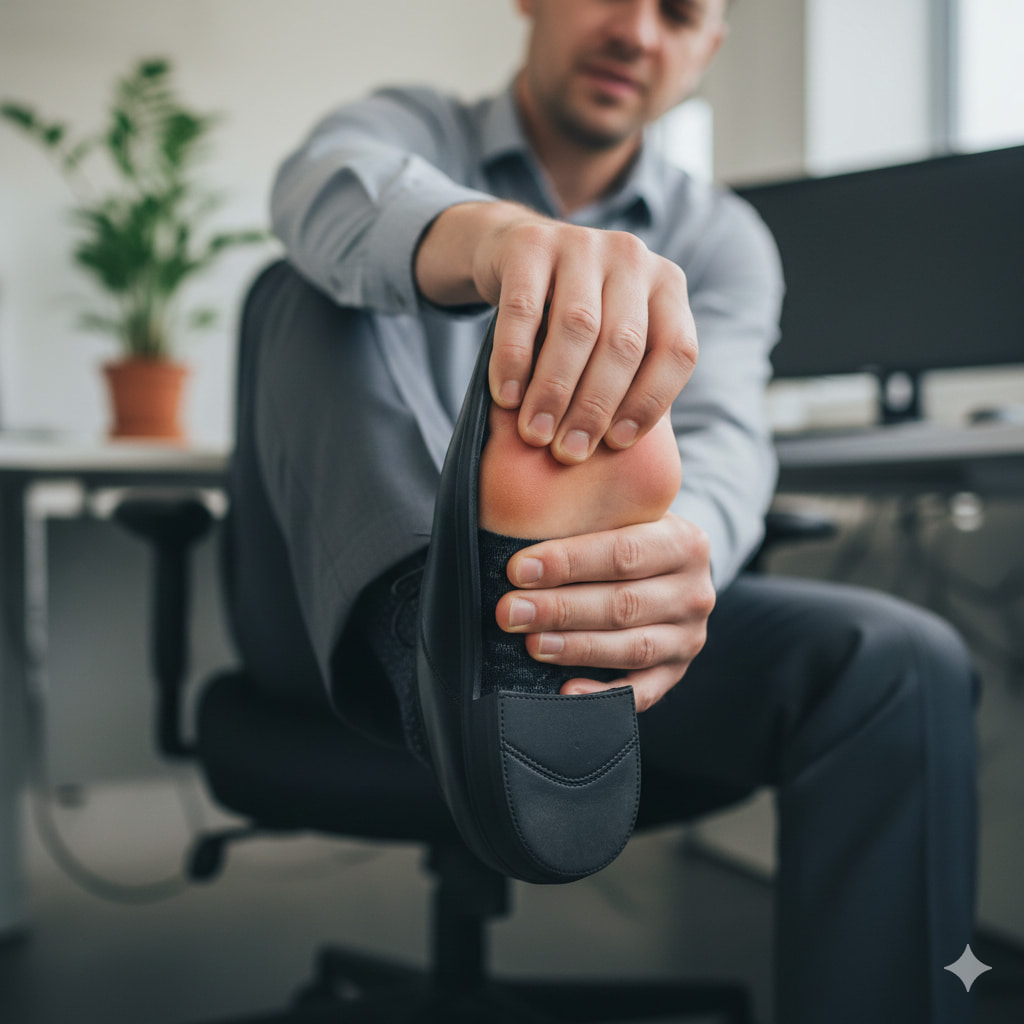
That’s why the foot, and specifically the big toe, is gout’s favorite target. The small joints here stay cooler than the core body, serve constant load, and get daily bumps. These conditions promote uric acid crystal accumulation in joints and tissues, igniting intense pain, redness, and swelling. Most people experience toe, ankle, or midfoot night-time onset, with throbbing or crushing pain that makes weight bearing difficult. Flares can persist for hours to weeks, and if urate levels remain elevated, flare-induced tophi can develop, resulting in chronic symptoms that restrict ambulation, work, and sleep.
Temperature
The cooler temperatures of the feet encourage uric acid crystal formation because urate is less soluble in cooler environments. The big toe hangs out far from the heart, so it tends to run a little cool. That slight temperature difference is enough to push crystals out of solution in a snug joint area.
Cold or circulation problems make toes more susceptible. We stand outside on cold surfaces, air-conditioned floors, or sit for extended periods with our feet cold, the forefoot becomes chilled. Peripheral vascular or diabetes-related changes may diminish warmth in the toes.
Keep feet warm to help prevent acute flares. Apply thermal socks, soft insoles, and covered shoes in cold chambers. A quick warm shower or foot soak, not scalding, can bring up local temperature and comfort between attacks.
Joint Trauma
A small injury or overuse of the foot will set gouty arthritis into motion. Think of stubbing the big toe on a step, tight or narrow shoes that hit the first MTP joint, extended urban walks on unforgiving pavements, and stop-start sports.
Trauma injures joint tissues, leaving cartilage and synovial surfaces open to be seeded with crystals and inflammation. Even one marathon day standing at work can lay the groundwork if urate runs high.
In management, eschew unnecessary foot strain. Swap stiff dress shoes for spacious padded ones, insert rest breaks, and moderate training loads.
Fluid Dynamics
Fluid shifts in the foot and ankle affect uric acid concentration. When you remain seated or standing for an extended period of time, fluid collects in the lower limbs and gathers urate in minor joints and bursae. Swelling and impaired circulation then slow crystal clearance and can exacerbate burning pain and warmth.
Dehydration decreases your body’s ability to eliminate uric acid, increasing your risk of an attack. Try to maintain even hydration throughout the day, be alert for dark urine, and minimize alcohol, which dehydrates and increases urate production.
Consistent hydration promotes healthy kidney function and assists in keeping serum urate within a safer window.
Gout Foot Treatment Edmonton
Edmonton specialized foot clinics diagnose and treat fast-onset gout in one joint, typically the big toe, but it can strike multiple joints simultaneously. Early assistance is important because accurate, prompt diagnosis and appropriate treatment can reduce suffering, with inflammation frequently subsiding within 3 to 10 days. A typical gout flare lasts approximately 5 days. Podiatrists and foot specialists direct acute care and long-term plans, and most clinics customize treatments to your symptoms, lab results, and objectives.
1. Acute Attack Relief
For acute, sharp pain that can rouse you from sleep or attack first thing in the morning, clinics tend to begin with anti-inflammatories. NSAIDs like Indocin (indomethacin) and Naprosyn (naproxen) are classic first-line choices. Colchicine, if taken early, and oral or injectable corticosteroids are options when NSAIDs don’t fit.
Apply ice packs for 10 to 15 minutes a couple of times a day to reduce swelling. Rest the joint, keep your foot elevated above your heart, and do not bear any weight during the flare. These measures may abbreviate the attack and protect the joint surface.
2. Long-Term Prevention
To stop future attacks, clinicians can prescribe uric acid-lowering drugs such as allopurinol or febuxostat, titrated to a target serum urate. Repeat blood tests monitor urate and kidney function, as both impact dosing and safety.
Diet shifts help: limit high-purine foods, sugary drinks, and alcohol. Keep a healthy weight through steady changes, not crash diets. Continued follow-up at an Edmonton foot clinic aids dose adjustment, footwear guidance, and proactive care if symptoms recur.
3. Advanced Therapies
Some situations require more than fundamentals. Biologic or targeted anti-inflammatory medicines can be used for refractory gout specialist care. For recalcitrant joint swelling, cortisone injections can soothe pain quickly.
A number of clinics utilize ultrasound-guided injections for accurate placement. Physical therapy builds foot strength and range. Custom orthotics offload sore joints and improve gait.
4. Surgical Options
Surgery comes into the picture when chronic damage, deformity, or gouty tophi restrict function despite comprehensive conservative treatment. Severe bunion deformity or lingering joint collapse might require surgical correction. Procedures vary from tophus excision and joint debridement to fusion or replacement in small joints, dependent on imaging and mobility desires.
5. Lifestyle Integration
Combine consistent, low-impact activity with well-balanced meals of vegetables, whole grains, and lean protein. Reduce beer, spirits, and sweet drinks to reduce uric acid load. Opt for wide-toe, cushioned footwear. Control diabetes and hypertension with your care team. Gout afflicts approximately 4% of individuals and controlling these risks promotes foot health.
Beyond The Prescription Pad

Non-drug care can smooth flares and safeguard long-term joint health. Think simple steps first: rest the foot, elevate it, ice in 20-minute sets, drink more water, and limit alcohol. Supportive care counts—custom orthotics to offload tender first MTP joints, roomy footwear, and regular foot care to prevent skin breaks over tophi. A comprehensive plan integrates medical treatment with nutrition, exercise, rest, stress management, and weight objectives. Gout can be chronic too; crystals can take years to clear, and some longstanding cases require surgery to remove tophi or repair damaged joints.
Diet Personalization
Create a strategy that reduces purines to reduce uric acid burden. By limiting purine consumption, you reduce the speed at which crystals form, which supports fewer flares and less pain down the road.
-
Organ meats,
-
red meat,
-
processed meat,
-
shellfish,
-
oily fish like sardines/anchovies,
-
sugary drinks,
-
foods with corn syrup,
-
excess alcohol.
Add choices linked to benefit: skim milk and other low-fat dairy, cherries and citrus fruits, plenty of vegetables, and vitamin C (as advised by your clinician). Others say coffee does the trick. Water is the answer, and you want to urinate mostly clear throughout the day.
Trace these meals and symptoms for 8 to 12 weeks. Pay attention to serving sizes, alcohol, and timing. Patterns expose individual triggers you can prune or substitute.
Movement Therapy
Keep joints moving when pain permits. Mild range of motion can protect foot resilience and assist you in returning to daily activities faster.
When flaring, steer clear of high-impact work like running or plyometrics. Opt for non-weight-bearing drills until pain subsides.
Daily ideas: toe curls with a towel, ankle circles in both directions, calf stretches, and low-impact aerobic work such as cycling, swimming, or brisk walking on flat ground for 20 to 30 minutes. A physical therapist can set load, pace, and progressions after an acute attack, then build balance and forefoot strength to help prevent the next one.
Stress Management
Stress can trigger flares and exacerbate pain signals. Soothe the system for healing and sleeping.
Use short, repeatable tools: box breathing for two minutes, a five to ten minute body scan, or guided meditation.
Safeguard sleep with a routine, a cool dark room, and less screen time at night. Construct a safety net of family, other gout sufferers, or a therapist to vent plans and keep modifications on schedule.
The Diagnostic Journey
Diagnosis of gout foot pain revolves around a systematic, evidence-based workup. Clinics begin with history, symptom review and a physical exam, then supplement with tests such as imaging, serum urate and joint fluid analysis when necessary. Correct diagnosis guides specific treatment, cuts flares short and aids in preventing joint damage.
Clinical Evaluation
Clinicians examine the painful joint for warmth, swelling, and redness. They palpate around the joint line to identify focal tenderness and examine the skin for shiny, taut areas suggesting acute inflammation. Intense pain that spikes quickly, frequently at night, and limping indicates the need for immediate care.
They map the pattern, severity, and duration. First metatarsophalangeal (big toe) involvement occurs in about 50% of initial cases, yet fingers, midtarsal joints, ankles, knees, wrists, and elbows can flare too. Attacks can persist for three to ten days and remit between episodes.
Foot exams check for bunions, ingrown toenails, plantar plate strain or neuropathic pain which muddy the waters. Sneaky parallel problems can shift shoe recommendations and offloading strategies.
History includes previous flares, family susceptibility, diuretics, renal disease, and lifestyle. Risk increases with obesity, purine-rich foods, such as some red meats and some seafood, and excess alcohol. Doctors check hydration, recent illness, and trauma, all of which can set off attacks.
Serum urate is checked to support clinical suspicions, while acknowledging that levels can be normal during a flare. Persistent hyperuricemia between flares makes a strong case for gout.
Imaging Tests
|
Modality |
Purpose |
Typical Findings |
Use Case |
|---|---|---|---|
|
X‑ray |
Bone/joint survey |
Erosions in chronic gout |
Baseline, rule out fracture |
|
Ultrasound |
Soft tissue, tophi |
Double contour sign, effusion |
Diagnose, guide aspiration |
|
Dual‑energy CT |
Crystal mapping |
Urate deposition color maps |
Complex or unclear cases |
|
MRI |
Soft tissue, marrow |
Edema, tendon issues |
Differentiate mimics |
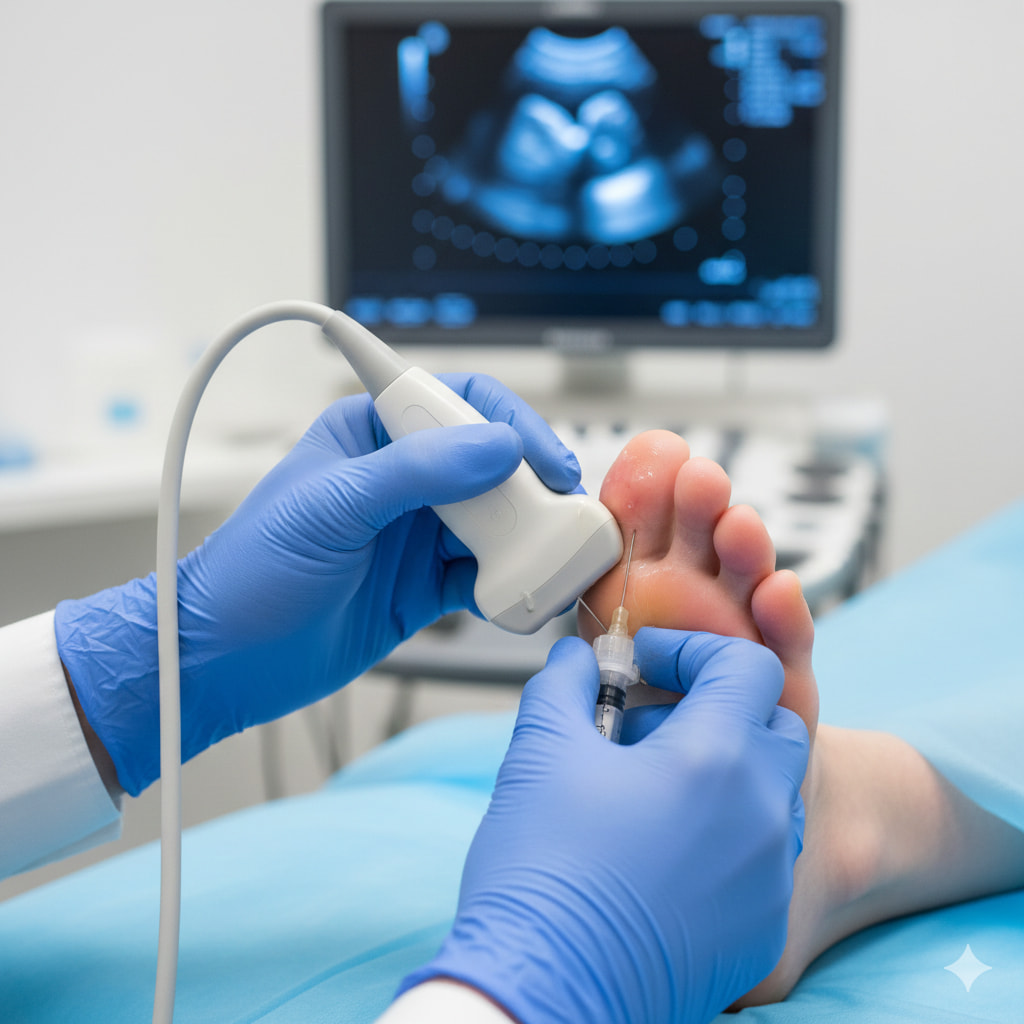
Imaging aids to distinguish gout from plantar fasciitis, stress fractures, or Achilles tendonitis. Ultrasound can demonstrate active synovitis and tophi and directs exact needle positioning. Serial imaging helps us plan treatment and track disease burden over time.
Fluid Analysis
Joint aspiration involves withdrawing synovial fluid from the hot swollen joint with a sterile needle. Ultrasound guided aspiration increases accuracy in small foot joints. The sample is forwarded for crystal analysis, Gram stain, and culture.
Needle-shaped, negatively birefringent uric acid crystals seen on polarized light microscopy confirm gout. This test rules out infection and other crystal arthritides, slashing the risk of misdiagnosis when symptoms overlap.
Clear results shape care: acute anti-inflammatory therapy, urate-lowering plans, and counseling on diet, alcohol, and weight. Early confirmation is important because if untreated, gout can become chronic with pain, tophi, and joint damage.
When To Seek Professional Help
An acute gout attack in the foot can move quickly from slight stiffness to searing pain. Awareness of when to seek professional help helps stave off joint damage and reduces the risk of recurrent flares.
Get emergency care if you experience sudden, severe foot pain with swelling or redness, particularly at the base of the big toe. If even light pressure from a bedsheet is difficult to tolerate or the pain persists for hours, schedule a same-day appointment. These symptoms typically indicate an active, uric acid crystal-driven joint flare. Early treatment can reduce pain in days and decrease the risk of residual stiffness.
Call a foot clinic if attacks return or pain never fully clears. Many people have a second flare within six months to two years of the first. Without a plan, symptoms can come and go for years and may hurt more each time. If you have flares every few months or you notice pain after long walks or standing, ask for an evaluation. A clinician can review triggers, check your uric acid level, and discuss long-term steps such as lifestyle changes and urate-lowering medicine.
Be on the lookout for red flags indicating more than a normal gout flare. Fever, chills, or skin that looks streaky or warm to the touch could indicate an infection, which requires immediate attention. A joint that remains swollen after icing for 10 to 20 minutes at a time, several times a day, is a red flag. Tophi are those little, hard, chalky bumps on the hands, elbows, and ears or around foot joints. These nodules indicate chronic hyperuricemia and increase the likelihood of joint destruction and nerve compression.
Edmonton readers, book a consult at Edmonton Foot Clinic for a defined diagnosis and a case-specific plan. Expect a focused workup: joint exam, ultrasound when needed, review of medicines, and lab tests to guide treatment. Short-term care might range from anti-inflammatory drugs and colchicine to guided joint aspiration to reduce pressure. Long-term care can include urate lowering therapy, footwear advice, gait checks, and follow-ups. When to see a podiatrist If you have persistent foot or ankle issues, routine visits can detect problems early and help avoid long-term damage.
Conclusion
Gout in the foot hits like a ton of bricks. A definitive plan provides relief. Uric acid is the star. The big toe bears the brunt. Flares lighten with quick treatment, ice packs, and relaxation. Let's talk about how local clinics in Edmonton provide same-day care, joint taps, and clear plans. Diet changes assist as well. Slash beer, organ meat, and high-fructose beverages. Drink more water. Shoot for stable weight. Monitor uric acid. Aim for below 0.36 mmol/L. Easy maneuvers such as wide shoes, low-impact walks, and short foot drills keep you standing. Be on the lookout for red flags such as fever, excruciating pain, or a hot, swollen joint.
To get next steps, schedule a visit with a local provider in Edmonton, request a uric acid target and establish a manageable plan.
Frequently Asked Questions
What causes gout in the foot?
Gout occurs when uric acid crystallizes and deposits in joints. Your big toe is particularly vulnerable because of its lower temperature and the pressure placed on it when you walk. These triggers include genetics, dehydration, alcohol, high-purine foods, some medicines, and kidney problems.
How is gout in the foot diagnosed in Edmonton?
Clinicians evaluate symptoms, history, and diet. They might request blood work for uric acid, joint ultrasound, or X-ray. Occasionally, they’ll aspirate joint fluid to verify crystals. Quick diagnosis directs quicker pain relief and staves off joint damage.
What treatments are available for gout foot pain in Edmonton?
Acute flares are treated with anti-inflammatories, colchicine or corticosteroids. Chronic management can employ urate-lowering treatment such as allopurinol or febuxostat. These care plans usually consist of hydration, nutrition, weight management and footwear recommendations. Treating early reduces pain and recurrence.
When should I seek professional help for a gout flare?
Get help if you experience sudden, intense joint pain, redness, and swelling, particularly in the big toe. Seek emergency care if fever, spreading redness, or severe pain makes walking difficult. Recurrent flares or tophi require specialist review to avoid joint destruction.
Can lifestyle changes reduce gout flares?
Yes. Drink plenty of fluids, avoid alcohol, especially beer and liquor, cut down on foods rich in purines and keep your weight under control. Focus on vegetables, low-fat dairy, whole grains and cherries. Daily activity and quality sleep promote reduced flare risk. Adhere to your medications.
How long does a gout flare in the foot last?
Untreated flares typically last 3 to 10 days. When treated quickly, pain may subside within 24 to 48 hours. Early anti-inflammatories truncate recovery. Prophylactic therapy reduces future attack frequency and severity.
Is it safe to walk during a gout flare?
Light activity is good if pain permits, but don’t power through searing pain. Let the foot rest and keep it elevated, icing for brief periods to prevent swelling. Supportive, wide-toe shoes or a sandal may provide relief. Return to normal activity as pain improves.
Need more information? Check out the full range of services offered at our Edmonton foot clinic.
Surgical Care of Foot and Ankle Disorder
Treatment of Athletic Injuries
Still looking for more? Explore these resources