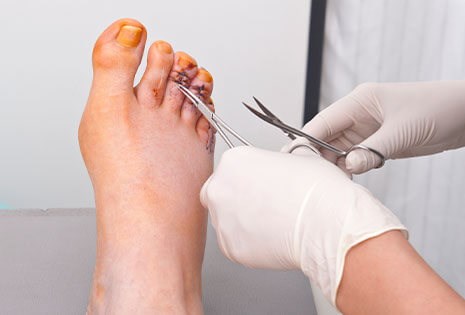
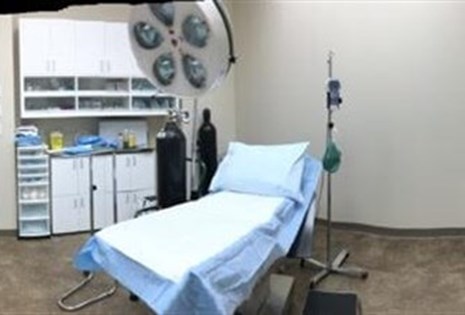
What types of foot surgeries are commonly performed at a podiatry clinic?
Podiatry clinics perform a wide range of foot surgeries depending on the condition being treated. Common procedures include bunion correction, hammertoe surgery, ingrown toenail removal, plantar fascia release, neuroma removal, and tendon repair. More complex cases may involve reconstructive surgery for flat feet or arthritis-related joint fusion. These procedures target bones, joints, ligaments, and soft tissues to restore alignment, reduce pain, and improve mobility. Most podiatric surgeries are performed as outpatient procedures under local anesthesia, allowing patients to return home the same day.
When is foot surgery necessary instead of conservative treatment?
Foot surgery is typically recommended when conservative treatments such as orthotics, physical therapy, medication, or lifestyle changes fail to provide relief. Chronic pain, worsening deformities, nerve compression, or structural instability are key indicators that surgery may be necessary. For example, severe bunions, tendon tears, or persistent plantar fasciitis that does not respond to non-invasive care may require surgical correction. The goal is to address the root cause of the problem and prevent long-term damage or loss of mobility.
How do I prepare for foot surgery at a foot clinic?
Preparation for foot surgery involves both medical and practical steps. Patients typically undergo a pre-operative assessment that includes medical history review, physical examination, and diagnostic tests such as X-rays or blood work. You may be advised to stop certain medications, arrange transportation, and prepare your home for limited mobility during recovery. Elevating your foot, organizing support for daily tasks, and understanding post-operative instructions in advance can significantly improve your recovery experience and reduce complications.
What is the recovery time after common foot surgeries?
Recovery time varies depending on the type of surgery, but most procedures follow a general timeline. Patients may need to rest and keep the foot elevated for the first few days, with limited movement during the first two weeks. Many can return to wearing regular shoes within 2–8 weeks, while full recovery often takes several months. More complex surgeries, such as tendon repairs or reconstructive procedures, may require 3–6 months for full healing. Following post-operative care instructions plays a major role in recovery speed.
Is foot surgery painful and how is pain managed afterward?
Foot surgery can cause some discomfort, especially in the first few days after the procedure, but pain is generally well-managed with modern techniques. Local anesthesia is used during surgery to prevent pain, and post-operative discomfort is controlled with prescribed medications, rest, and elevation. Pain is usually most noticeable in the first 3–4 days and gradually improves as healing progresses. Proper aftercare, including limiting activity and following medical advice, helps reduce pain and supports a smoother recovery.
What are the risks and complications of foot surgery?
Like any surgical procedure, foot surgery carries some risks, although serious complications are uncommon. Possible risks include infection, delayed healing, nerve irritation, blood clots, and recurrence of the original condition. In rare cases, complications such as bone healing issues or chronic pain may occur. Most complications are manageable when identified early, and proper pre-operative assessment and post-operative care significantly reduce these risks. Patients are carefully evaluated to ensure they are good candidates for surgery.
Can minimally invasive foot surgery reduce recovery time?
Yes, minimally invasive foot surgery can often reduce recovery time compared to traditional open procedures. These techniques use smaller incisions, which result in less tissue damage, reduced pain, and faster healing. Patients may be able to bear weight sooner and return to daily activities more quickly. In some cases, recovery can be shortened to a few weeks rather than several months, depending on the procedure. However, suitability depends on the condition being treated and the patient’s overall health.
How successful are podiatric foot surgeries in treating chronic pain?
Podiatric foot surgeries generally have high success rates, particularly when performed for the right indications. Many procedures, such as bunion correction or flat foot reconstruction, show success rates of around 85–90%, with significant reductions in pain and improved function. Studies also show improvements in mobility and overall quality of life after surgery. Success largely depends on proper diagnosis, surgical technique, and patient adherence to post-operative care.
What conditions usually require corrective foot surgery?
Corrective foot surgery is typically required for structural deformities or severe conditions that affect function and cause persistent pain. Common examples include bunions, hammertoes, flat foot deformities, tendon dysfunction, neuromas, and advanced arthritis. Chronic ingrown toenails and severe plantar fasciitis may also require surgical intervention. These conditions often worsen over time if left untreated, making surgery necessary to restore proper alignment and relieve pressure on affected areas.
What should I expect during post-surgery rehabilitation?
Post-surgery rehabilitation is a critical part of recovery and focuses on restoring strength, flexibility, and mobility. Initially, patients are advised to rest, elevate the foot, and limit weight-bearing. As healing progresses, gradual movement and physiotherapy exercises are introduced to improve function. Many patients transition from protective footwear to normal shoes within weeks, but full recovery may take several months. Following rehabilitation guidelines closely helps prevent complications and ensures long-term success of the surgery.