Custom Orthotics in Edmonton – Step Ahead Podiatry
Clinic Details & Contact Information
- Central Booking Line: 780.460.0025
- Online Booking & Enquiries: Book an Appointment Online
- Locations: Central Edmonton, South Edmonton, Sherwood Park, St. Albert, and West Edmonton
What is a Prescription Custom Orthotic?
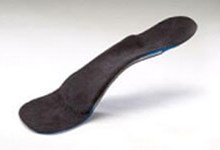
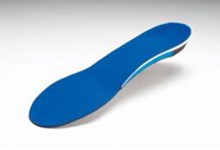
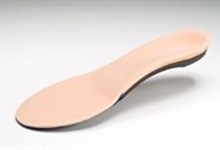
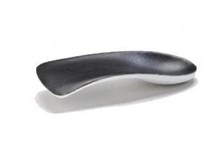
An orthotic is a prescription medical device designed to correct biomechanical abnormalities, treat foot pathology, alleviate pain, and improve your overall gait. While commercial footwear stores and retail pharmacies sell cushioned heel cups or prefabricated insoles over the counter, these retail products are simple comfort cushions and are not technically orthotics.
Unlike generic store-bought insoles that offer basic surface cushioning without addressing underlying structural alignment, prescription custom orthotics are custom-tailored to your feet. Prescribed by a podiatrist after a comprehensive evaluation of your foot shape, alignment, and movement patterns, custom prescription orthotics work by redistributing plantar pressure, controlling abnormal motion, and optimizing lower-body mechanics. This reduces excessive strain on muscles and joints, restores walking efficiency, and provides lasting relief from conditions such as plantar fasciitis, arch strain, and flat feet.
Because the feet serve as the structural foundation of the body, poor foot mechanics often transmit abnormal forces up the entire kinetic chain. Correcting foot alignment with prescription orthotics helps distribute weight evenly, alleviating secondary aches and strain that extend into the ankles, knees, hips, and lower back.
The Assessment & 3D Scanning Process
Comprehensive Biomechanical Assessment
Every orthotic prescription begins with a detailed biomechanical assessment conducted by a podiatrist. During this clinical evaluation, your foot specialist examines:
- Lower-limb foot structure and anatomical alignment
- Joint mobility and range of motion
- Muscle group strength and flexibility
- Dynamic walking patterns and gait analysis to identify issues like overpronation or uneven weight distribution
Non-Weight-Bearing 3D Digital Scanning
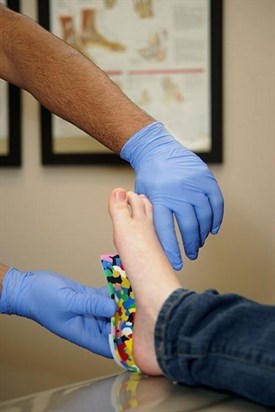
Following your biomechanical evaluation, precise measurements of your feet are captured using our state-of-the-art 3-dimensional optical scanner.
- Fast and Low Environmental Impact: The 3D digital scanning process takes only moments to complete and eliminates traditional messy casting waste.
- Non-Weight-Bearing Precision: Capturing the contours of your foot in a non-weight-bearing position remains the most effective method, ensuring your foot is scanned in its optimal neutral alignment rather than collapsed under gravity.
Laboratory Fabrication & Fitting
Your 3D scans and personalized clinical prescription are sent to an accredited orthotic laboratory where each device is manufactured to balance out deformities and correct structural misalignments. Once fabricated, your orthotics are sized and fitted directly into your shoes by the podiatrist to ensure proper placement, functional support, and comfort. If needed, post-fitting adjustments can be made to optimize fit, support, and daily performance.
Adjustment Period & Orthotic Lifespan
Adjusting to Your New Orthotics
Most patients take between a few days and a few weeks to adapt to wearing custom orthotics. As your body adjusts to proper skeletal alignment and corrected movement patterns, mild initial muscle awareness is normal. A gradual wear approach is recommended:
- Begin by wearing your orthotics for a few hours per day.
- Gradually increase daily wear time over the course of one to two weeks.
- As your muscles and joints adapt, comfort and stability increase while daily walking fatigue and pain subside.
How Often Should Orthotics Be Replaced?
Custom orthotics typically last between 1 to 3 years depending on usage frequency, daily activity levels, and material composition. Over time, regular physical wear and tear can gradually reduce corrective support. In addition, changes in your weight, activity level, or underlying foot structure may warrant an update. Periodic check-ups with your podiatrist ensure your devices continue to provide proper alignment and stability.
Types of Custom Orthotics & Ankle Braces Available
Specialized Custom Orthotic Styles
Step Ahead Podiatry offers a range of styles and additions to suit different lifestyles, footwear types, and medical needs:
- Sport Orthotics: High-durability, shock-absorbing orthotics engineered to enhance stability, improve movement efficiency, and protect athletes from overuse injuries like tendonitis and stress fractures.
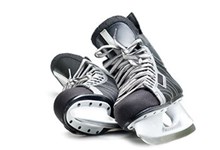
- Custom Skate Orthotics: Precision devices custom-molded to fit inside hockey and figure skates, locking the heel in place and maximizing blade power transfer.
- Dress Orthotics (Women's & Men's): Low-profile designs engineered to fit inside slimmer dress shoes, flats, and business footwear without crowding the toe box.
- Diabetic Orthotics: Protective, pressure-relieving devices engineered to accommodate sensitive pressure areas, cushion neuropathy, and prevent friction-induced skin breakdown.
- Slimflex Orthotics: Streamlined, flexible support options tailored for versatile everyday shoe wear.
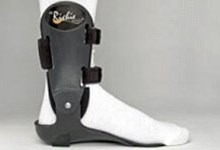
Specialized Ankle Braces (AFOs)
For patients presenting with chronic ankle instability, posterior tibial tendon dysfunction (PTTD), or severe structural collapse, standard shoe inserts may require additional joint stabilization:
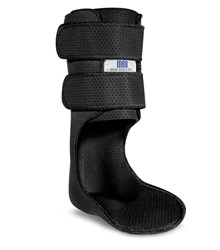
- The Richie Brace ® & Ankle Braces: Specialized articulating ankle-foot orthoses designed to stabilize the ankle joint while preserving normal walking motion.
- Partial Foot AFO™: Custom support designed for partial foot amputations to restore balanced weight distribution.
- Supra Malleolar Orthosis (SMO): Low-profile braces that control severe subtalar joint pronation while resting just above the ankle bone.
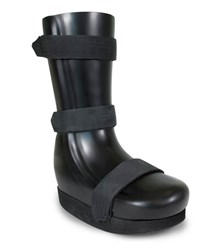
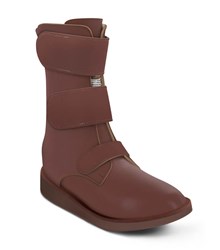
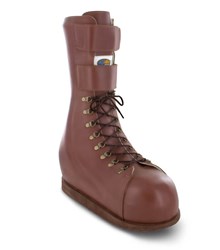
- Split Upright & Thermoplastic Articulated AFOs: Rigid bracing options providing structural control for advanced musculoskeletal and neuromuscular conditions.
Foot Conditions Commonly Managed with Custom Orthotics
- Heel Pain & Plantar Fasciitis: Offloading excessive tensile pull on the plantar fascia and cushioning heel impact.
- Pediatric Flat Foot: Supporting developing arches, improving gait efficiency, and reducing muscle fatigue in children.
- High Arches (Pes Cavus): Cushioning rigid arches and distributing heavy shock away from the heel and ball of the foot.
- Bunions (Hallux Valgus): Stabilizing abnormal foot pronation to relieve joint pressure and friction against footwear.
- Morton’s Neuroma: Relieving forefoot nerve compression and sharp burning sensations between the toes.
- Hammer Toe & Claw Toe: Reducing mechanical pressure and friction over contracted toe joints.
- Stiff Toe Joint (Hallux Rigidus): Limiting painful upward bending at the big toe joint during push-off.
- Gout & Arthritic Joint Pain: Providing accommodative offloading to protect inflamed joints from harsh impact forces.
- Pediatric Heel Pain (Sever’s Disease): Alleviating traction stress on the calcaneal growth plate in active young patients.
- Plantar Warts: Offloading painful weight-bearing pressure around persistent verruca lesions.
Related Podiatric Services & Clinical Care
Step Ahead Podiatry provides a comprehensive spectrum of lower-limb healthcare. Beyond orthotic therapy, our clinics offer:
- Extracorporeal Shockwave Therapy (ESWT): Non-invasive acoustic pulses to stimulate healing in chronic heel pain and tendonitis.
- Ingrown Toenail Treatment: Conservative care and minor in-office procedures for painful, infected nail borders.
- Clinical Nail Fungus Treatment: Clinical nail debridement and targeted medical antifungal care.
- Cryosurgery for Wart Treatments: Targeted freezing applications for stubborn plantar warts.
- Bunion Treatment & Foot Surgery Procedures: Comprehensive clinical evaluations and surgical planning coordinated via Step Ahead podiatric surgery standards.
- General Podiatry Services: Complete foot health assessments, routine callus debridement, and diabetic foot monitoring across our full range of clinical podiatry services.
Confirm Service Availability & Request a Quote
Because clinician schedules and specific treatment options vary across our offices, please contact our team before booking:
- Check Doctor & Service Schedules: Call 780.460.0025 to verify appointment availability for biomechanical assessments and 3D scanning at your chosen location.
- Request an Insurance Quote: While provincial health coverage varies, many third-party private and employer health benefit plans provide partial or full coverage for prescription custom orthotics. Our staff can provide detailed cost estimates and the required insurance documentation codes to assist your claim submission.
Please Confirm Service & Doctor Availability Before Booking
Because specialized treatment modalities, scanning availability, and practitioner schedules vary across our clinical network, please contact our central desk at 780.460.0025 before scheduling. Our administration team will verify practitioner availability, confirm your appointment, and provide fee or insurance quote guidance for your visit.
Visit a Step Ahead Podiatry Clinic Near You
Access professional orthotic fittings and foot care across our Edmonton clinic locations:
- Central Edmonton Foot Clinic: 11308 104 Ave NW, Edmonton (Unity Square / Oliver)
- South Edmonton Foot Clinic: Southwell Medical, Suite 101B – 1230 91 St SW, Edmonton
- Sherwood Park Foot Clinic: Tailor Made Building, #204, 85 Cranford Way, Sherwood Park
- St. Albert Foot Clinic: Erin Ridge Plaza, #460, 1115 St. Albert Trail, St. Albert
- West Edmonton Foot Clinic: Westend Callingwood Medical Clinic, #418 – 6655 178 St NW, Edmonton
Frequently Asked Questions About Custom Orthotics
How do custom orthotics work to relieve pain?
Custom orthotics are designed to match your individual foot contours and movement patterns. By redistributing plantar pressures, stabilizing arch collapse, and guiding the foot into proper alignment, they eliminate abnormal strain on tendons, ligaments, and joints during walking and running.
How do custom orthotics differ from store-bought insoles?
Over-the-counter insoles provide generic foam cushioning, but they cannot address underlying structural misalignments or abnormal gait mechanics. Prescription custom orthotics are built specifically from a biomechanical assessment and 3D scan to treat the functional cause of your pain.
How long does it take to adjust to wearing orthotics?
Most patients adjust within a few days to a few weeks. It is best to start wearing them for a couple of hours each day and gradually increase wear time so your muscles and joints can comfortably adapt to corrected alignment.
Can custom orthotics help with knee, hip, or back pain?
Yes. When feet overpronate or lack proper support, compensatory twisting forces travel up the legs into the knees, hips, and lumbar spine. Aligning the feet creates a balanced foundation that relieves strain higher up the body.
How long do custom orthotics last?
Custom orthotics typically last between 1 to 3 years depending on daily use, activity levels, and material wear. Regular evaluations with your podiatrist ensure your orthotics continue to provide optimal correction.
What are custom orthotics and how do they work?
Custom orthotics are prescription medical devices designed to fit inside your shoes and support your feet based on your unique structure and movement patterns. Unlike generic insoles, they are created using a detailed assessment of your foot shape, alignment, and gait. They work by redistributing pressure, correcting abnormal motion, and improving overall biomechanics. This helps reduce strain on muscles and joints, improve walking efficiency, and relieve pain caused by conditions like plantar fasciitis or flat feet.
How do I know if I need orthotics for foot pain?
You may need orthotics if you experience persistent foot pain, fatigue, or discomfort during walking or standing. Common signs include heel pain, arch pain, uneven shoe wear, or frequent ankle sprains. People with flat feet, high arches, or poor gait mechanics often benefit the most. If pain extends to your knees, hips, or back, it may also indicate a biomechanical imbalance. A podiatrist can assess your condition and determine whether orthotics are the right solution for long-term relief and support.
What conditions can orthotics help treat effectively?
Orthotics are effective for a wide range of foot and lower limb conditions. These include plantar fasciitis, flat feet, high arches, bunions, tendonitis, arthritis, and diabetic foot complications. They also help manage overuse injuries such as stress fractures and metatarsalgia. By improving alignment and reducing pressure, orthotics not only relieve pain but also prevent further damage. They are commonly recommended for both chronic conditions and injury prevention in active individuals.
How are custom orthotics made for each patient?
Custom orthotics are made through a multi-step clinical process. It begins with a biomechanical assessment, where a podiatrist evaluates your foot structure, movement, and walking pattern. This may include gait analysis and pressure mapping. A mold or digital scan of your feet is then taken to capture precise measurements. The orthotics are manufactured based on this data and later fitted to ensure comfort and effectiveness. Adjustments may be made after fitting to optimize support and performance.
Are orthotics better than store-bought insoles?
Custom orthotics are generally more effective than store-bought insoles because they are tailored to your specific foot mechanics. While over-the-counter insoles provide basic cushioning, they do not address underlying alignment issues. Custom devices are designed to correct biomechanical problems, redistribute pressure, and provide long-term support. This makes them especially beneficial for chronic pain or structural conditions. However, mild discomfort may sometimes be managed with quality prefabricated insoles depending on the situation.
How long does it take to adjust to wearing orthotics?
Most patients take between a few days to a few weeks to fully adjust to wearing orthotics. Initially, you may feel slight discomfort as your body adapts to improved alignment and movement patterns. Gradual wear is typically recommended, starting with a few hours per day and increasing over time. As your muscles and joints adjust, discomfort usually subsides, and you begin to notice improved comfort, stability, and reduced pain during daily activities.
Can orthotics help with knee, hip, or back pain?
Yes, orthotics can help relieve knee, hip, and even lower back pain by correcting alignment at the foundation of the body—the feet. Poor foot mechanics can cause imbalances that travel up the kinetic chain, affecting joints and posture. By improving alignment and reducing abnormal movement, orthotics help distribute forces more evenly. This reduces strain on joints and muscles, leading to improved comfort and better overall body mechanics during movement.
How often should orthotics be replaced or updated?
Custom orthotics typically last between 1 to 3 years depending on usage, activity level, and material quality. Over time, wear and tear can reduce their effectiveness. Additionally, changes in your foot structure, weight, or activity level may require updates or adjustments. Regular check-ups with a podiatrist help ensure your orthotics continue to provide proper support and alignment. Replacing them at the right time helps maintain optimal foot health and prevent recurring issues.
What is a biomechanical assessment before orthotic fitting?
A biomechanical assessment is a detailed evaluation of how your feet, ankles, and lower limbs function during movement. It includes examining foot structure, joint mobility, muscle strength, and walking patterns. Gait analysis is often part of this process, helping identify issues like overpronation or uneven weight distribution. This assessment allows the podiatrist to understand the root cause of pain and design orthotics that specifically address your unique biomechanical needs.
Are orthotics effective for sports performance and injury prevention?
Orthotics can significantly improve sports performance and reduce injury risk when properly prescribed. They enhance stability, improve alignment, and optimize movement efficiency, allowing athletes to perform with better control and less strain. By redistributing pressure and absorbing shock, orthotics help prevent common overuse injuries such as tendinitis and stress fractures. They are especially beneficial for runners and high-impact athletes who place repetitive stress on their feet and lower limbs.
Book Your Orthotic Assessment Today
Relieve persistent foot strain and restore healthy alignment with custom prescription orthotics. Contact our clinic team today to book your consultation.
- Central Booking Line: 780.460.0025
- Book Online: Schedule Your Consultation at Step Ahead Podiatry