Flat feet (Pes Valgus)
All about Flat feet in adults and kids!
Pes Valgus, commonly known as Flat fleet, is a physical deformity wherein arch of the foot crumples allowing the entire sole of the foot coming in contact with the ground. Interestingly, both, adults and children suffer from this medical problem. In case of children, the same condition is referred to as 'Pediatric flat foot'.
According to a rough estimate, about 20-30 percent of the population suffers from this type of foot deformity. This percentage covers both, people suffering from both, partial and total collapse of arch.
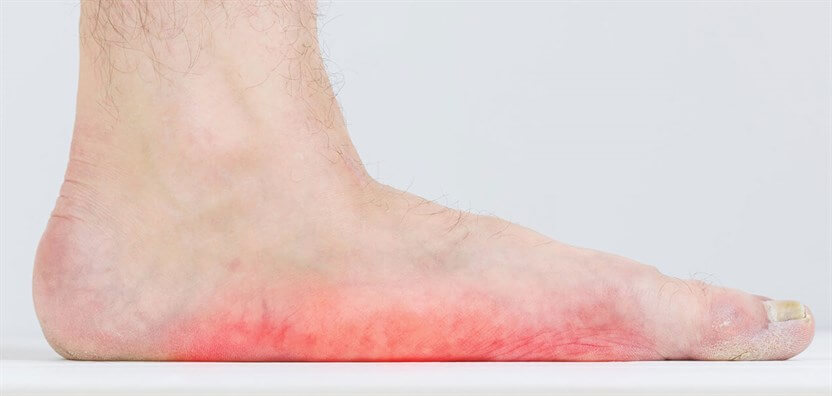
Formation of Pediatric flat foot is quite common in infants owing to baby fat which apparently conceals the developing arch. Moreover, diagnosing flat foot at a young age is quite difficult. Hence, parents and elders are advised to keep their eyes open and personally examine their wards from time to time if they see them complaining of pain in foot region consistently.
On the other hand in case of adults, flat feet is mostly the result of an injury, illness or continuous state of stress on the foot. Flawed biomechanics is another possible reason cited for flat feet in adults by medical experts. Women, especially during pregnancy are most susceptible to this form of foot deformity.

Diagnosis
The most effective way of detecting flat feet in both adults and kids, is by wetting the foot. This traditional wet footprint test sees the candidate standing on a smooth surface for some time. After he /she leaves the place, the footprint is examined. The degree of foot flatness is determined by the contact area of his/her sole with the surface.
What is pediatric flat foot?
Pediatric flat foot, also known as pediatric pes valgus, is a condition where the arch of a child's foot appears flattened, causing most or all of the sole to make contact with the ground while standing. Flat feet are very common in infants and young children because the arch is still developing and may be hidden by soft tissue and baby fat. In many cases, the arch develops naturally as the child grows. However, some children continue to have flat feet into adolescence and adulthood, particularly if underlying biomechanical factors are present.
Is it normal for children to have flat feet?
Yes, flat feet are very common in infants and young children. During early childhood, the arch of the foot is often not fully developed, making the feet appear flat when standing. As children grow, the arch typically becomes more visible and functional. Most children do not experience symptoms or require treatment. However, if a child complains of pain, fatigue, difficulty walking, or other foot-related concerns, a professional evaluation may be beneficial to determine whether treatment or monitoring is necessary.
What causes pediatric flat feet?
Pediatric flat feet can occur as part of normal childhood development, but certain factors may also contribute to the condition. These factors include inherited foot structure, ligament laxity, muscle imbalances, and biomechanical abnormalities. In many cases, flat feet are flexible and function normally without causing symptoms. Some children may develop symptoms if the condition affects foot mechanics or places excess strain on muscles and joints. A podiatric assessment can help determine the underlying cause and whether treatment is needed.
How can I tell if my child has flat feet?
One of the easiest ways to identify flat feet is by observing the child's feet while standing. The arch may appear absent or significantly reduced when weight is placed on the foot. Some parents also notice that their child’s shoes wear unevenly or that the ankles appear to roll inward. A traditional wet footprint test can provide a simple indication of arch height, although a professional evaluation is the most accurate way to assess foot structure and function. Persistent symptoms should always be evaluated by a foot specialist.
What symptoms can pediatric flat feet cause?
Many children with flat feet experience no symptoms at all. However, some may develop foot pain, arch discomfort, heel pain, ankle fatigue, or difficulty participating in sports and physical activities. In some cases, children may complain that their feet become tired quickly after walking or standing for long periods. Symptoms can vary depending on the severity of the condition and the child's activity level. If discomfort is present, early evaluation can help identify treatment options that improve comfort and function.
Can flat feet affect a child's walking or athletic performance?
In some cases, flat feet can influence walking patterns, balance, and overall movement mechanics. Children with symptomatic flat feet may experience fatigue more quickly during physical activities or sports participation. The altered foot mechanics can place additional strain on muscles, tendons, and joints throughout the lower body. While many children with flat feet remain active without limitations, those experiencing discomfort may benefit from treatment strategies designed to improve support, alignment, and overall foot function during activity.
How are pediatric flat feet diagnosed?
Diagnosis typically begins with a comprehensive physical examination by a podiatrist. The provider will assess the child's foot structure, gait, flexibility, and overall lower limb alignment. Observation of the feet during standing and walking helps determine whether the flat foot is flexible or rigid. In some situations, additional imaging may be recommended to evaluate underlying structural concerns. A thorough assessment allows the podiatrist to determine whether the condition is part of normal development or if treatment may be beneficial.
What treatments are available for pediatric flat feet?
Treatment depends on whether the child is experiencing symptoms and how the condition affects daily activities. Many children with flat feet require no treatment and simply benefit from periodic monitoring. For those experiencing discomfort, treatment options may include supportive footwear, stretching exercises, activity modifications, and custom orthotics. Orthotics can help improve foot alignment and provide additional support during growth and development. The goal of treatment is to reduce symptoms, improve comfort, and support healthy foot function.
Can pediatric flat feet improve as a child grows?
Yes, many children naturally develop a more defined arch as they grow older. During infancy and early childhood, flat feet are often considered a normal stage of development. As bones, muscles, and ligaments mature, the arch may gradually become more noticeable. However, not all children outgrow flat feet. Some continue to have flat feet into adulthood without experiencing symptoms, while others may require treatment if discomfort or functional limitations develop. Regular monitoring can help track changes throughout growth.
When should I take my child to a podiatrist for flat feet?
You should consider scheduling an evaluation if your child experiences persistent foot pain, fatigue, difficulty walking, frequent tripping, uneven shoe wear, or limitations during sports and physical activities. While flat feet are often harmless, symptoms may indicate that additional support or treatment could be beneficial. Early assessment allows a podiatrist to identify any underlying concerns and provide guidance tailored to your child's needs. Prompt attention to symptoms can help improve comfort, mobility, and overall foot health as your child grows.