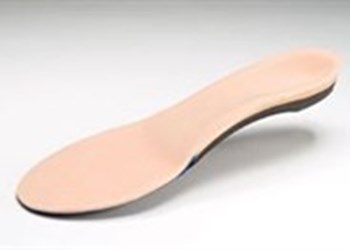
Diabetic orthotics are custom-designed shoe inserts created to provide gentle support, pressure relief, and enhanced comfort for individuals with diabetes and other foot sensitivities. Unlike traditional orthotics that focus primarily on biomechanical correction, diabetic orthotics are designed to reduce pressure points and minimize friction that can lead to skin irritation or injury. They feature cushioning materials that help protect vulnerable areas of the foot while still providing the support needed for daily activities. These orthotics are often recommended as part of a comprehensive diabetic foot care plan.
Who can benefit from diabetic orthotics?
Diabetic orthotics are ideal for individuals with diabetes, seniors, and anyone experiencing sensitive feet, reduced circulation, or nerve-related foot conditions. They may also benefit people with foot deformities, pressure points, calluses, or areas prone to irritation. Because diabetes can affect sensation and healing, protecting the feet from excessive pressure is especially important. Diabetic orthotics help create a more comfortable walking experience while reducing stress on sensitive areas, making them a valuable option for individuals seeking long-term foot protection and support.
How do diabetic orthotics help protect the feet?
Diabetic orthotics help protect the feet by distributing pressure more evenly across the foot and reducing concentrated stress on vulnerable areas. Excessive pressure can contribute to skin breakdown, calluses, ulcers, and other complications, particularly for people with diabetes. The cushioning materials used in diabetic orthotics help absorb shock and minimize friction during walking and standing. By creating a more supportive and forgiving environment inside the shoe, these orthotics can help lower the risk of foot injuries and promote overall foot health.
Why are diabetic orthotics softer than traditional orthotics?
Diabetic orthotics are designed with softer materials because their primary goal is to protect sensitive feet and reduce pressure-related complications. While traditional orthotics often emphasize rigid support and biomechanical control, diabetic orthotics prioritize cushioning and comfort. The softer construction helps accommodate areas of increased sensitivity, deformities, or pressure points. This design allows the orthotic to gently conform to the foot while reducing friction and stress that could otherwise lead to irritation or skin damage in high-risk individuals.
Can diabetic orthotics help prevent foot ulcers?
Diabetic orthotics may play an important role in reducing the risk of foot ulcers by helping distribute weight evenly and minimizing pressure on vulnerable areas. Foot ulcers often develop when repetitive pressure or friction damages the skin, especially in individuals with reduced sensation. By cushioning the foot and reducing stress on specific pressure points, custom diabetic orthotics can help protect the skin and improve comfort. However, they work best when combined with regular foot examinations, proper footwear, and ongoing diabetic foot care.