
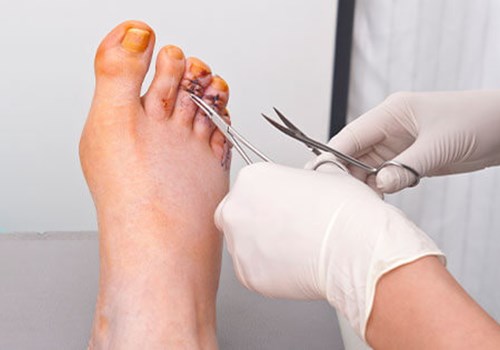
Fully Certified Foot Surgery Facility
With surgical privileges at the Alberta Surgical Centre and a private accredited surgical suite inspected and certified by the College of Podiatric Physicians of Alberta. Almost all surgical procedures of the foot can be accomplished with minimal delay under local or full anesthesia. In most cases foot and ankle surgery can be performed on a same day outpatient basis.

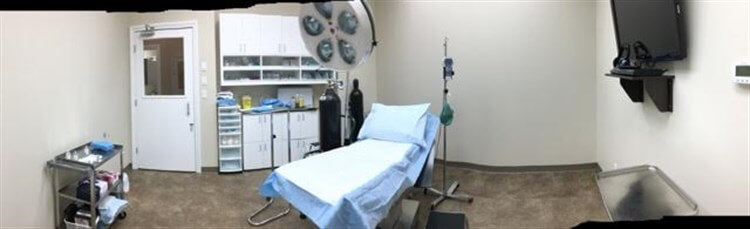
Step Ahead offers leading edge treatment approaches and clinical facilities to treat and perform foot surgery as well as all other foot ailments.
Contact us for a consultation today!
Medical and Surgical treatment of:
- Accessory Navicular Syndrome
- Achilles Tendon Disorders
- Achilles Tendon Rupture
- Acute Inflammation
- Ankle Fracture
- Ankle Pain
- Ankle Sprain
- Ankle Tendon Injuries
- Arch Pain
- Arch Supports
- Arthritic Big Toe
- Arthritis of the Foot and Ankle
- Athlete's Foot (Tinea Pedis)
- Black Toenails
- Bone Healing
- Broken Ankle
- Broken Heel
- Broken Toe
- Bunionette
- Bunions
- Calf Pain
- Callus
- Cavus Foot (High-Arched Foot)
- Charcot Foot (Diabetic Arthritic Foot)
- Chronic Ankle Instability
- Cold Feet
- Contact Dermatitis of the Foot
- Corns
- Cracked Heels
- Crooked Toes
- Crossover Toe
- Crutches: A "How-To" Guide
- Custom Orthotic Devices
- Cyst
- Deep Vein Thrombosis
- Diabetic Arthritic Foot
- Diabetic Complications and Amputation Prevention
- Diabetic Foot Care Guidelines
- Diabetic Peripheral Neuropathy
- Diabetic Shoes
- Eczema of the Foot
- Equinus
- Extra Bones
- Fallen Arches
- Flatfoot (Adult acquired)
- Flatfoot (Children)
- Flatfoot (Flexible)
- Foot Bumps
- Foot Fracture
- Foot Lumps
- Foot Neuroma
- Foot Odor (Bromhydrosis)
- Foot Rash
- Fractures of the Calcaneus (Heel Bone Fractures)
- Fractures of the Fifth Metatarsal
- Ganglion Cyst
- Gout
- Haglund's Deformity ("Pump Bump")
- Hallux Rigidus (Stiff Big Toe)
- Hammertoes (Crooked Toes)
- Heel bone fracture
- Heel Pain
- Heel Pain (Children)
- High-Arched Foot
- Ingrown Toenails
- Intermetatarsal Neuroma
- Joint Pain in the Foot
- Joint Swelling in the Foot
- Lisfranc Injuries
- Malignant Melanoma of the Foot
- Morton's Neuroma
- Nail Fungus
- Neuroma
- Os Trigonum Syndrome
- Osteoarthritis of the Foot and Ankle
- Pediatric Flatfoot
- Pediatric Heel Pain
- Peripheral Arterial Disease (P.A.D.)
- Peroneal (Ankle) Tendon Injuries
- Plantar Fasciitis (Heel Pain)
- Plantar Fibroma
- Plantar Wart
- Posterior Tibial Tendon Dysfunction (PTTD)
- Puncture Wounds
- Restless Legs
- Rheumatoid Arthritis in the Foot and Ankle
- Rocker Bottom Foot
- Sesamoid Injuries in the Foot
- Sever's Disease
- Shin Splints
- Shoe Inserts
- Soft Tissue Biopsy
- Stiff Big Toe
- Smelly Feet
- Stress Fracture in the Foot
- Sweaty Feet (Hyperhydrosis)
- Swollen Ankles
- Swollen Feet
- Tailor's Bunion
- Talar Dome Lesion
- Tarsal Coalition
- Tarsal Tunnel Syndrome (similar to carpal tunnel of the hand)
- Thick Toenails
- Tingly Feet
- Tired Feet
- Toe and Metatarsal Fractures
- Turf Toe
- Verruca Plantaris (Plantar Wart)
- Weak Ankles
- White Toenails
- Yellow Toenails
Foot Related Resources:
Step Ahead Podiatry Is Committed To Helping You Gain The Freedom To Walk Pain Free Again...
What makes your foot surgery facility fully certified?
Our foot surgery facility is fully certified and inspected to meet professional standards for patient safety, surgical care, and infection control. The facility is accredited and designed specifically for foot and ankle procedures, allowing patients to receive high-quality surgical treatment in a specialized environment. Having access to both a private accredited surgical suite and additional surgical privileges enables efficient scheduling and comprehensive care. Patients benefit from modern equipment, experienced surgical staff, and a focus on delivering safe, effective treatment with minimal delays and personalized attention throughout the surgical process.
What types of foot and ankle conditions can be treated at your surgical facility?
Our facility provides medical and surgical treatment for a wide range of foot and ankle conditions. These include bunions, hammertoes, heel pain, plantar fasciitis, neuromas, ankle injuries, fractures, tendon disorders, diabetic foot complications, arthritis, ingrown toenails, and various structural deformities. Each patient receives a thorough evaluation to determine the most appropriate treatment plan. While many conditions can be managed conservatively, surgery may be recommended when symptoms persist or significantly affect mobility, comfort, and overall quality of life.
Can foot surgery be performed on an outpatient basis?
Yes, many foot and ankle surgical procedures can be performed on an outpatient basis, allowing patients to return home the same day. Outpatient surgery offers several advantages, including reduced hospital stays, lower overall costs, and the comfort of recovering in a familiar environment. Depending on the procedure and the patient's health status, surgery may be performed under local anesthesia, sedation, or general anesthesia. Before surgery, patients receive detailed instructions regarding preparation, recovery expectations, and follow-up care to help ensure a smooth and successful healing process.
What treatment options are available before surgery is considered?
Surgery is typically considered only after conservative treatment options have been explored when appropriate. Depending on the condition, non-surgical treatments may include custom orthotics, bracing, physical therapy, activity modification, footwear recommendations, anti-inflammatory treatments, shockwave therapy, or other supportive measures. The goal is to reduce pain, improve function, and address the underlying cause of the problem without surgery whenever possible. If conservative treatments do not provide sufficient relief, a surgical consultation can help determine whether a procedure may be beneficial.
How do I know if I need foot surgery?
You may be a candidate for foot surgery if you experience chronic pain, progressive deformity, limited mobility, recurring infections, instability, or symptoms that do not improve with conservative care. Conditions such as severe bunions, hammertoes, tendon injuries, arthritis, neuromas, and certain fractures may require surgical intervention to restore function and reduce discomfort. A comprehensive examination, imaging studies when necessary, and a review of your medical history help determine whether surgery is the most appropriate treatment option for your specific condition.
What conditions related to diabetes can be treated at your facility?
Our facility provides care for many diabetes-related foot conditions, including diabetic neuropathy, Charcot foot, diabetic ulcers, circulation-related complications, foot deformities, and preventive foot care concerns. Individuals with diabetes face a higher risk of infections, wounds, and complications that can affect mobility and overall health. Early diagnosis and treatment are important for preventing more serious problems. Our team works closely with patients to monitor foot health, manage complications, and develop treatment plans that support long-term foot function and reduce the risk of future issues.
What are custom orthotics and how can they help?
Custom orthotics are specially designed medical devices created to support the unique structure and biomechanics of your feet. They can help address conditions such as flat feet, high arches, plantar fasciitis, tendon disorders, bunions, arthritis, and chronic foot fatigue. By improving alignment and distributing pressure more evenly, orthotics may reduce pain and improve walking efficiency. They are often incorporated into a broader treatment plan to help manage symptoms conservatively and may also be recommended before or after surgery to support long-term foot health.
How are fractures of the foot and ankle treated?
Treatment for foot and ankle fractures depends on the location, severity, and stability of the injury. Some fractures can heal successfully with immobilization, protective footwear, bracing, or casting, while more complex fractures may require surgical repair. Prompt diagnosis is important because untreated fractures can lead to improper healing, chronic pain, and long-term mobility issues. Our team evaluates each injury carefully using clinical assessments and imaging when necessary to develop a treatment plan focused on restoring proper alignment, function, and strength as efficiently as possible.
What can I expect during recovery after foot surgery?
Recovery after foot surgery varies depending on the procedure performed, the complexity of the condition, and individual healing factors. Patients may require temporary use of supportive devices such as crutches, surgical boots, or braces during the recovery period. Follow-up appointments allow the surgical team to monitor healing and address any concerns. Many patients gradually return to normal activities over time, following personalized rehabilitation recommendations. Adhering to post-operative instructions is essential for promoting proper healing, minimizing complications, and achieving the best possible surgical outcome.
Why should I choose a specialized foot surgery facility for treatment?
A specialized foot surgery facility focuses specifically on diagnosing and treating foot and ankle conditions, offering expertise that may not be available in more general medical settings. Specialized facilities are equipped with technology, surgical equipment, and treatment protocols designed for foot and ankle care. Patients benefit from focused experience, personalized treatment plans, streamlined surgical processes, and comprehensive follow-up care. This specialized approach can help improve patient comfort, enhance treatment outcomes, and ensure that both common and complex foot conditions receive the attention they require.