
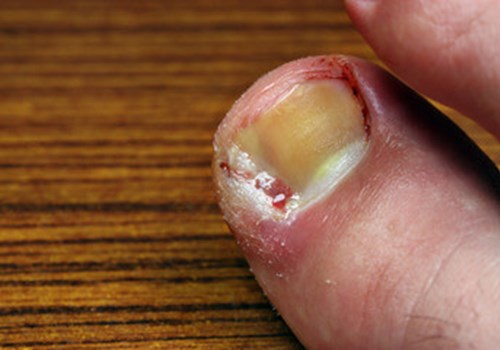
What Is an Ingrown Toenail?
An Ingrown Toenail is a common form of nail affliction and disease. It is often a very painful condition in which your nail will grow and it cuts into one of the sides of the nail bed. Ingrown nails can occur in the nails of the hands and or the feet, but they mostly occur to the toenails, and for the most part, are only problematic and painful on the big toe.
Early in the course of an ingrown toenail, the end of the toe becomes reddish and painful with mild swelling. There is no pus or discharge. It may feel warm to the touch, but the patient may not have a fever. Later, extra skin and tissue will grow around the sharp point of the nail. A yellowish discharge may begin that indicates, the body's response to the trauma of the nail irritation. In severe conditions, the swelling becomes worse and there may be white or yellow colored discharge from the area.
Symptoms of an ingrown nail include; pain on the margins of the nail, unbearable pain while wearing tight footwear and sensitivity to slight pressure of any kind. Bumping of an affected toe can lead to very sharp and unendurable pain as the tissue gets punctured further by the nail. An ingrown toenail is a common disorder that usually, though not necessarily impacts the outer edge of the big toe.
Ingrown Toenail Treatment
We can perform a simple wedge resection to temporarily relieve pain but for a more permanent solution, a phenol matrixectomy is performed to relieve the condition.
What Causes Ingrown Toenails?
Ingrown toenails can develop for a variety of reasons, often due to pressure on the nail, improper nail care, or natural nail shape. While anyone can experience an ingrown toenail, understanding the underlying cause can help reduce the risk of future occurrences. In many cases, a combination of factors contributes to the condition, making professional evaluation important for recurring or persistent ingrown toenails.
Improper Toenail Trimming
One of the most common causes of ingrown toenails is incorrect nail trimming. Cutting toenails too short or rounding the corners can encourage the nail edge to grow into the surrounding skin as it grows out. Toenails should generally be trimmed straight across to help promote proper growth and reduce pressure on the skin at the sides of the nail.
Tight Shoes and Footwear
Shoes that are too tight, narrow, or restrictive can place constant pressure on the toes and nails. Over time, this pressure may force the nail edge into the surrounding skin, increasing the risk of an ingrown toenail. High heels, narrow dress shoes, and footwear with a cramped toe box are common contributors to this problem.
Sports and Repetitive Trauma
Activities that place repeated stress on the toes can increase the likelihood of developing an ingrown toenail. Running, soccer, hiking, dancing, and other sports may cause the toes to repeatedly strike the front of the shoe, creating pressure and minor trauma around the nail. Repeated impact can alter the way the nail grows and contribute to irritation of the surrounding skin.
Naturally Curved or Thick Toenails
Some individuals are more prone to ingrown toenails because of the natural shape of their nails. Nails that are excessively curved, thickened, or unusually wide may be more likely to grow into the skin along the sides of the toe. These structural characteristics can make recurring ingrown toenails more common, even when proper foot care habits are followed.
Genetics and Family History
Genetics can play a significant role in the development of ingrown toenails. If close family members frequently experience ingrown toenails, you may have inherited a nail shape or toe structure that increases your risk. While genetics cannot be changed, professional treatment and preventative foot care can help manage recurring issues and reduce future discomfort.
When Should You See a Podiatrist for an Ingrown Toenail?
While some mild ingrown toenails may initially seem manageable, professional treatment is often the safest and most effective way to prevent the condition from worsening. If you are experiencing persistent pain, increasing redness, swelling, or tenderness around the nail, it may be time to schedule an evaluation. Ingrown toenails that repeatedly return despite home care often indicate an underlying issue that requires professional treatment.
You should also seek podiatric care if you notice signs of infection, such as drainage, pus, warmth, worsening swelling, or throbbing pain. Difficulty walking, exercising, wearing shoes comfortably, or performing daily activities are also strong indicators that treatment may be necessary. Additionally, if home remedies such as soaking the foot, changing footwear, or modifying nail trimming habits have failed to provide relief, professional intervention can help address the problem before it becomes more severe.
Patients with diabetes, circulation issues, or compromised immune systems should seek treatment promptly, as even minor foot infections can lead to serious complications if left untreated. Early treatment can often prevent the condition from worsening and reduce the need for more extensive procedures.
Not finding what you're looking for? Here are some of our most searched for podiatry services.
Additional Resources:
Foot Related Resources:
Step Ahead Podiatry Is Committed To Helping You Gain The Freedom To Walk Pain Free Again...
What causes ingrown toenails to develop?
Ingrown toenails develop when the edge or corner of the toenail grows into the surrounding skin instead of over it. This commonly happens due to improper nail trimming (cutting nails too short or rounding the edges), wearing tight or narrow shoes, repeated toe trauma, or genetic nail shape. Pressure on the toe forces the nail to grow abnormally, leading to pain, redness, and swelling. Over time, the skin can become inflamed and even infected if the nail continues to penetrate the tissue. (mayoclinic.org)
How do I know if my ingrown toenail is infected?
An infected ingrown toenail usually shows worsening redness, swelling, warmth, and increasing pain around the affected toe. You may also notice pus or fluid drainage, a foul smell, or skin that looks shiny and inflamed. In more advanced cases, walking may become difficult due to pressure sensitivity. If these symptoms appear, it indicates that bacteria have entered the skin through the nail edge, and professional treatment is needed to prevent the infection from spreading or becoming more serious.
Can ingrown toenails heal without surgery?
Yes, mild ingrown toenails can often heal without surgery using conservative treatments such as warm salt water soaks, proper footwear, and gently lifting the nail edge with cotton or dental floss. These methods help reduce pressure and allow the nail to grow correctly over time. However, if the condition is recurrent, severe, or infected, surgical treatment may be necessary to permanently resolve the issue and prevent recurrence. Early care significantly improves the chances of non-surgical healing.
What is partial nail avulsion treatment?
Partial nail avulsion is a minor surgical procedure used to treat painful or infected ingrown toenails. The podiatrist numbs the toe with local anesthesia and removes only the portion of the nail that is growing into the skin. This relieves pressure and allows the area to heal properly. In some cases, a chemical may be applied to prevent that part of the nail from regrowing and causing recurrence. The procedure is quick, effective, and commonly performed in clinic settings. (mayoclinic.org)
How painful is ingrown toenail removal at a clinic?
Ingrown toenail removal is generally not painful during the procedure because local anesthesia is used to completely numb the toe. Patients may feel pressure but not sharp pain while the nail is being removed. After the procedure, mild to moderate soreness is normal for a few days as the area heals. This discomfort is usually manageable with over-the-counter pain medication, rest, elevation, and proper wound care. Most patients find the relief from chronic pain far outweighs the temporary post-procedure discomfort.
What is the safest treatment for chronic ingrown toenails?
For chronic or repeatedly recurring ingrown toenails, the safest and most effective treatment is often partial nail avulsion combined with a matrix procedure (chemical or surgical removal of the nail root edge). This prevents the problematic part of the nail from growing back. Conservative care may not be enough in chronic cases because the underlying nail structure continues to cause irritation. Professional evaluation ensures the most appropriate and long-term solution is chosen based on severity and recurrence history.
Can ingrown toenails come back after treatment?
Yes, ingrown toenails can return after treatment, especially if only the nail edge is removed without addressing the root cause. Recurrence is more likely if contributing factors such as improper footwear, incorrect nail trimming, or nail shape are not corrected. However, procedures that remove or destroy part of the nail matrix significantly reduce recurrence risk. Proper aftercare and preventive habits also play a major role in preventing the condition from coming back.
When do ingrown toenails require antibiotics?
Antibiotics are required when an ingrown toenail becomes infected and shows signs such as pus, spreading redness, warmth, or severe swelling. If the infection extends beyond the nail area or causes significant pain and difficulty walking, medical treatment is necessary. In some cases, antibiotics are used alongside minor surgical procedures to control infection and promote healing. However, antibiotics alone are not a cure for the ingrown nail itself and are typically part of a combined treatment approach.
Is it safe to cut an ingrown toenail at home?
No, it is generally not safe to cut an ingrown toenail at home, especially if it is painful or infected. Attempting to dig or cut into the nail can worsen the condition, increase the risk of infection, and cause further tissue damage. Home care such as soaking and gentle lifting may help mild cases, but deeper ingrown nails require professional treatment. A podiatrist can safely remove the problematic nail portion using sterile tools and proper anesthesia.
What shoes should I wear after ingrown toenail treatment?
After ingrown toenail treatment, it is best to wear open-toed or wide-fitting shoes that reduce pressure on the affected toe. Footwear should provide enough space in the toe box to prevent rubbing and allow proper healing. Soft, breathable shoes are ideal during the recovery period. Avoid tight, narrow, or high-pressure footwear until the toe is fully healed. Proper shoe selection helps reduce pain, prevents irritation, and lowers the risk of the condition returning.