September 11, 2025
Key Takeaways
-
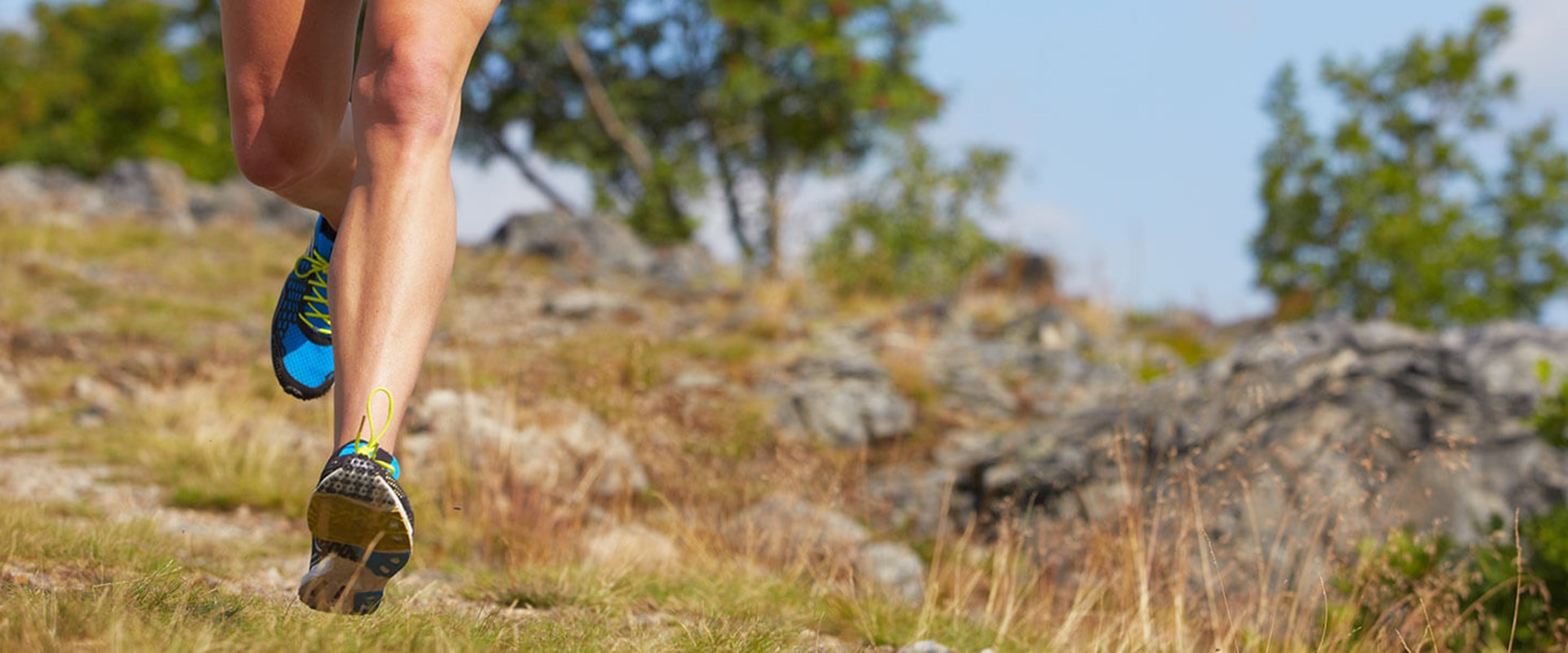
Kids’ feet go from flat and flexible in infancy to defined arches and an orchestrated heel-to-toe gait by roughly 7 years of age. Keep an eye on markers like arch formation, gait, balance, and posture while romping and running about.
-
Early walking is frequently wide-based and flat-footed and typically resolves as the musculature strengthens and balance and coordination emerge. Be on the lookout for consistent toe walking, in-toeing, limping, pain, and record when and how often.
-
Most flat feet in young children are flexible and painless and improve with growth. Ongoing pain, rigid flat foot, or uneven shoe wear warrants evaluation and may benefit from supportive footwear or custom orthotics.
-
Select shoes that fit properly, provide arch support, and are appropriate for the activity and season. For Edmonton winters, choose insulated, waterproof boots with traction and space for socks. In summer, taper to supportive sandals or athletic shoes to minimize injury risk.
-
Look for little red flags — constant pain, asymmetry, weird wear, avoidance of activities — during your regular shoe and foot check. Swap out tattered shoes and catch problems early to avoid lifelong pain and keep kids moving.
-
Get professional care for an evaluation, including gait analysis and personalized programs that could incorporate exercises, orthotics, or other treatments. Let us schedule periodic checkups to monitor growth and keep up with your child’s shifting needs.
Pediatric foot health Edmonton refers to the care, growth, and common issues of children’s feet in Edmonton, with a focus on early checks, proper shoes, and timely care. Local parents routinely inquire regarding flat feet, in-toeing, heel pain, and toe-walking in 2 to 12 year olds. Indicators such as tripping, foot pain after play, or worn-out shoe edges can signal gait issues. Regular visits to a pediatrician or podiatrist monitor arches, joint range, and walking mechanics. Supportive shoes with firm heel counters and flexible forefoot count for safe play. Custom insoles are for pain or sport use. Mild problems will shake out, but pain requires a strategy. Below are symptoms, treatment advice, and care services in Edmonton.
Understanding Normal Foot Development
Normal growth transitions flat, soft, and pliable feet in infancy to more rigid, aligned feet by adolescence. A child’s foot is no simple thing; it is a structure that supports standing, walking, and playing. Bones, muscles, and tendons develop at different speeds, so we should expect changes in shape, posture, and gait. Keeping an eye on these milestones—arch development, walking gait, and posture—can catch issues early and safeguard immediate comfort and lasting health.
The First Steps
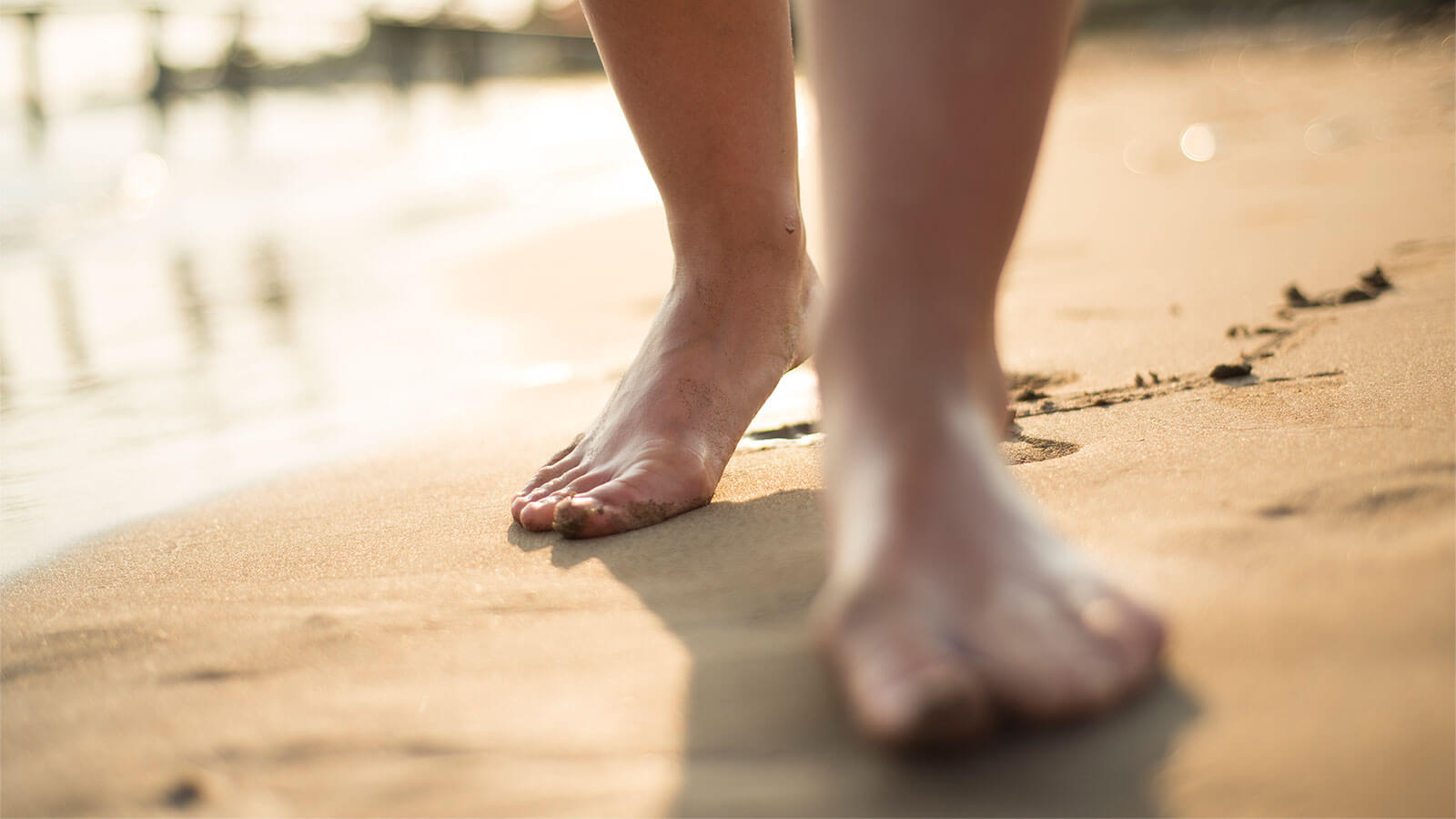
Babies transition from rolling and crawling to pulling up and furniture cruising. Toddlers are wide-based, turned-out, flat-footed early walkers because of soft tissues and baby fat. Steps appear short and stiff initially. Then, they become smoother as balance and leg strength increase.
Steady first steps require muscle tone in the hips and legs, joint mobility in the ankles, and core control for balance. Babies begin to get upper body control around 8 months, then many walk around 12 to 14 months. There’s a lot of variation in timing.
Parents should note red flags: clear pain, strong asymmetry between legs, frequent falls beyond the early phase, or refusal to bear weight. Kid’s feet are bendy and vulnerable, so fast checks count during playtime.
-
Pull to stand: 9–12 months
-
Cruise with support: 10–13 months
-
First steps without help: 12–14 months
-
Steadier walk with fewer falls: 15–18 months
-
Short runs and climbs: 18–24 months
Arch Formation
The longitudinal arch tends to develop between 2 and 6 years as muscles strengthen and fat pads recede. Baby fat fills the arch and ligaments are loose, so many toddlers have flat feet. For the majority of children, this flat appearance is harmless and resolves over time.
If flat feet linger beyond toddlerhood with pain, tripping, or stiff ankles, an evaluation can help exclude another cause. Because 20 to 30 percent of adults are flat-footed, flat arches may therefore be a normal variant.
Track changes with wet footprints on paper. A fuller print suggests a flatter arch. Recheck every few months and combine this with supportive shoes or orthotics when recommended.
Gait Maturation
Gait progresses from short, uncoordinated steps in toddlers to heel-to-toe by age 7. Stride lengthens, cadence steadies, and arms swing in sync. Understanding normal foot development.
Simple moves build strength and balance: tiptoe walks, heel walks, single-leg stands, stair steps, and gentle calf and hamstring stretches. Hydration, nutrition, and steady sleep impact muscle function and foot health.
Be on the lookout for toe-in or toe-out that doesn’t resolve with growth, limping, frequent tripping, or uneven shoe wear. If left unchecked, they can cause pain, swelling, and restrictions on sport. Supportive, properly fitting shoes and orthotics, if necessary, help direct healthy mechanics.
Common Pediatric Foot Conditions
Pediatric foot conditions typically resemble adult issues. Growing bones and joints alter treatment options. Early checks help avoid pain, mobility restrictions, and later deformity. Some common issues include flat feet, in-toeing, toe walking, heel pain, and plantar warts. This can impact comfort, school play, and sport.
|
Condition |
Common symptoms |
Linked issues |
What to do |
|---|---|---|---|
|
Flat feet |
Tired legs, arch or heel ache, quick shoe wear |
Tight Achilles tendon, tarsal coalition |
Supportive shoes, custom orthotics, stretching; assess rigid cases |
|
In‑toeing |
Toes turn inward, tripping, awkward run |
Femoral anteversion, tibial torsion, metatarsus adductus |
Monitor growth; refer if severe or painful |
|
Toe walking |
No heel strike, calf tightness |
Short Achilles, balance limits, neuro disorders |
Stretching, strength work, gait training; evaluate persistent cases |
|
Heel pain |
Limp, swelling, pain after sport |
Sever’s disease, overuse, poor shoes |
Rest, ice, cushioned shoes, activity change |
|
Warts |
Tender spots with black dots, callus-like skin |
Gait changes, skin breaks |
Keep feet dry, clinic treatments if painful or persistent |
1. Flat Feet
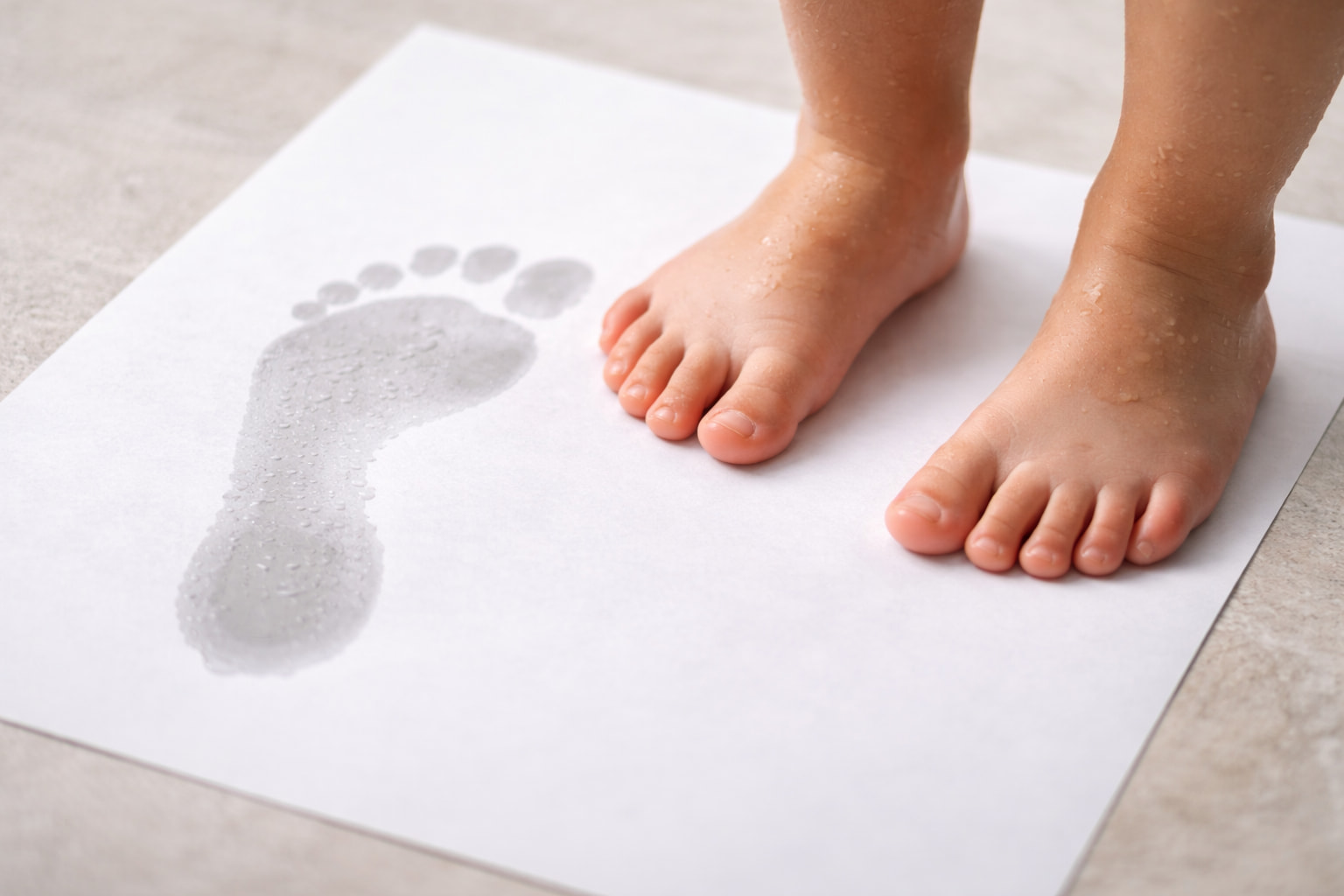
Flat feet (pes valgus) means the arch is low or collapsed, which shifts alignment up the chain to knees and hips. Flexible flat feet are common in young children and are typically asymptomatic. A rigid flat foot can indicate tarsal coalition or structural restrictions and requires podiatric attention.
Symptoms range from foot fatigue to slow performance in sports to arch and heel pain. It can be caused by tight Achilles tendons, hereditary structure, or stiff back-of-shoe counters. Supportive shoes and custom orthotics assist stubborn cases. Significant rigid deformity may require imaging and rarely surgery.
2. In-Toeing
In-toeing causes your child’s toes to turn in as he/she walks. It is most prevalent in toddlers and can be caused by femoral anteversion (hip), tibial torsion (shin), or metatarsus adductus (foot).
They generally go away with growth and don’t create issues over the long term. Monitor extreme twists, pain, or falls and pursue care if function declines or deformity worsens.
3. Toe Walking
Toe walking is a gait in which the heels don’t come down. Every now and then is okay in early walkers. If it remains, investigate tight calves, short Achilles, or neurological etiologies.
Complications include muscle tightness, tendon shortening, and balance issues. Apply calf stretches, heel drops, ankle mobility drills, and enjoyable strength-building activities such as tip-toe to heel-walk relays. Send onward if there is no improvement.
4. Heel Pain
Heel pain typically connects to overuse or Sever’s growth plate irritation. Rapid growth, aggressive athletics, and lack of shoe padding compound the pressure.
Be vigilant for limping, swelling, or pain post play. Rest, ice, heel cups, supportive shoes, and gradual return assist. Orthotics are for recurring bouts.
5. Warts
Plantar warts are HPV lesions on load bearing skin. The risk increases with barefoot hours in pools or locker rooms and sweaty feet. They are painful, they alter gait, and they are contagious.
Maintain feet clean and dry, use antifungal powder only if athlete’s foot is present. Clinics provide salicylic acid, cryotherapy, or small procedures. Screen for fungal infections such as itch, cracks, and blisters and toe deformities like a fifth-toe bump or big toe pushing second. Footwear changes, anti-fungals, and custom orthotics reduce pain. Keep an eye out for achilles tendonitis flare-ups with sport. Icing, anti-inflammatories, heel lifts, and orthotics can all provide relief. Regular observation catches problems early.
Edmonton's Unique Footprint
Edmonton’s cold, dry climate and active city life make pediatric foot needs unique. Families juggle long winters, short summers and mixed terrain from flat plains to river valley trails, so shoes, cleanliness and regular checks count all year. Handy heated boots are standard issue, but fit and fabrics still determine comfort, protection and development.
Winter's Impact
Cold, snow and ice constrict blood vessels and numb the skin which causes young feet to become stiff and unstable on sidewalks and playgrounds. Dry air exacerbates cracked heels and splits, and rapid transitions between minus 20 degrees outside and heated rooms can take a toll on skin and nails. Young kids with diabetes are at greater risk for ulcers and slow healing.
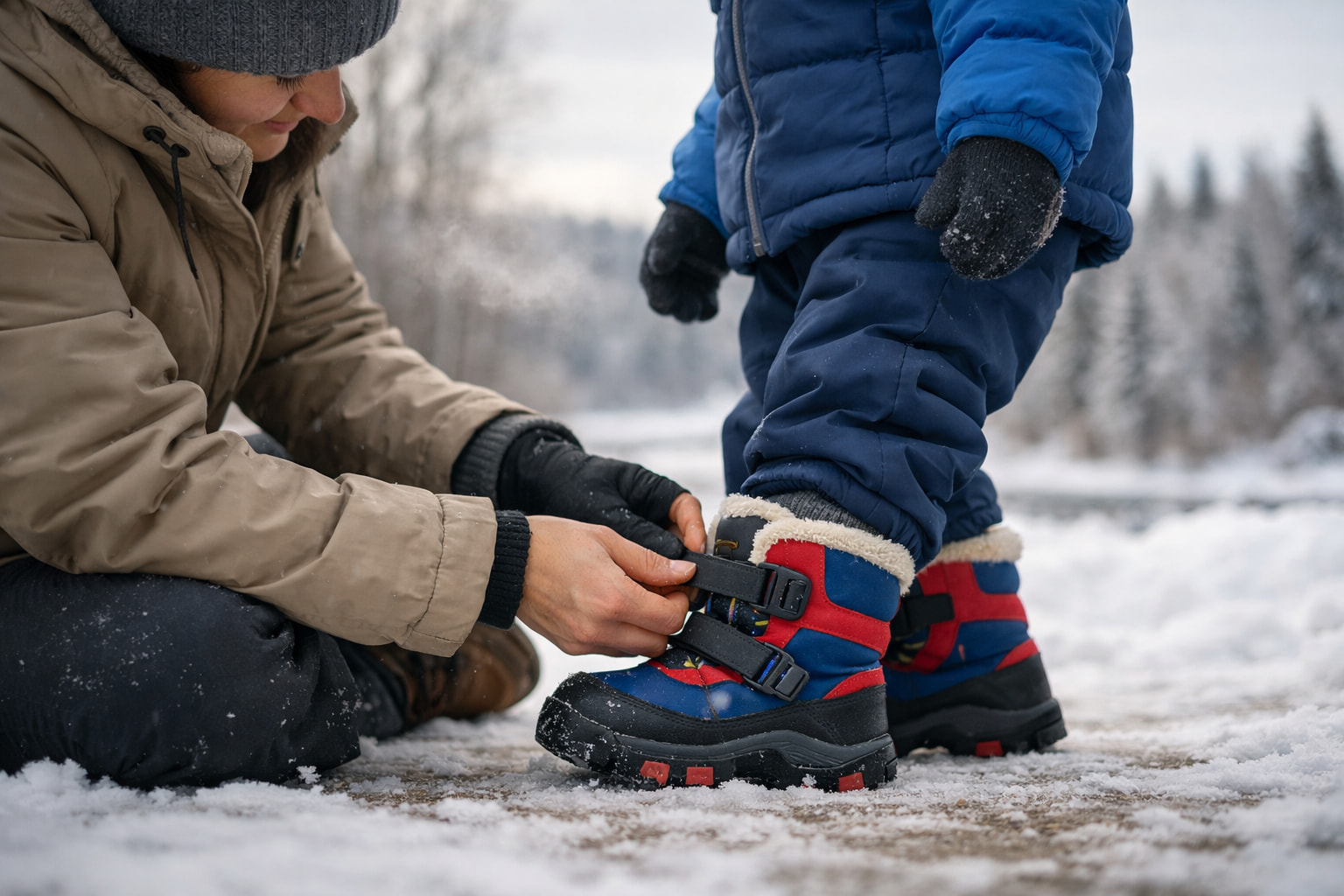
Insulated, waterproof boots with a deep tread, for example, prevent slips and keep feet dry. Watch for space to accommodate thick socks, no heel lift, a sturdy heel counter, and a flexible forefoot. Removable liners accelerate drying overnight.
Wet or tight gear holds moisture and heat. That combination can lead to blisters, odour, fungal infections and even trench foot if exposure to moisture is extended. Change out soggy socks during the school day and air boots between excursions.
Inspect toes after outdoor play for pale, waxy, or numb skin — early frostbite symptoms. Watch for redness over bony prominences and nail edges that suggest pressure or ingrowing nails. Pursue clinic care for suspected frostbite. Specialized care limits permanent damage.
Summer Activities
Outdoor play, field sports, and pool use increase the likelihood of stubbed toes, turf burns, plantar warts, and sunburn on the tops of feet and toes.
Choose sandals with a heel strap, playground-friendly covered toe, and cushioned mid soles. For running and court sports, wear athletic shoes with arch support and shock absorption to minimize plantar fasciitis flare-ups on hard trails.
Wash and dry feet every day, particularly in between toes. Dab light moisturizer on soles and heels to combat Edmonton’s dry air. Avoid the web spaces.
Summer checklist:
-
Apply SPF 30+ to feet and toes.
-
Wear shower shoes at pools.
-
Trim nails straight across.
-
Replace worn insoles; check fit monthly.
Urban Living
Hard concrete, compact playground surfacing, and minimal grass load bearing feet. Our river valley trails contribute hills that pound calves and the plantar fascia.
Opt for shoes with EVA or gel mid-soles, arch support, and a firm heel cup. Turn pairs to allow padding to bounce back.
Man, kids grow out of shoes like crazy. Test thumb-width toe room and heel slip every 6 to 8 weeks. Examine soles for irregular wear that indicates gait problems.
A local pedorthic clinic can evaluate gait, perform diabetic screening, address corns, calluses, ingrown nails, frostbite and trench foot, and direct orthotics where required. Frequent visits provide families definite itineraries across Edmonton’s brisk temperature plunges.
Red Flags for Parents
Early signs of foot or ankle problems can be subtle. Follow red flags for parents. Pay attention to when symptoms begin, what aggravates them, and their duration. Fast response reduces the severity of chronic issues and keeps kids moving safely.
Persistent Pain
Pain persisting for more than a few days despite rest, ice, and simple home care requires attention. Constant pain in one location, pain that awakens a child at night, or pain with swelling or redness are higher risk red flags. Night pain isn’t always ‘growing pains,’ particularly if it recurs or restricts next-day activity.
Persistent foot or ankle pain may indicate stress fractures or sprains, infections, or structural problems like flat feet, high arches, or tight calf muscles. Unattended, pain can cause an abnormal gait, persistent knee or hip pain, and recurrent injuries. Get immediate evaluation from an Edmonton foot health centre or pediatric podiatry clinic for definitive diagnosis and a strategy tailored to your child’s needs.
Asymmetry
Asymmetry means one foot is bigger, shaped, or moves differently than the other. Look out for one foot turning in more, a shorter step on one side, or one ankle that seems stiffer.
Marked asymmetry can indicate deformity, residual clubfoot, leg length difference, or neurologic causes. Look for uneven shoe wear and limping that intensifies late in the day. Tape front and back for short clips and note when it appears (morning, sport, after school). Do bring these notes to the first visit.
Unusual Wear
Shoes that wear out quickly on the inner side are often indicative of over-pronation. Heavy outer-edge wear could indicate supination. A canted heel, wrinkled upper on one side, or toe-box holes can all raise red flags for pressure points or toe gripping.
This type of wear typically relates to alignment problems, weak foot muscles, tight calves, or unusual gait. Check shoes every 2 to 3 months and after growth spurts. Swap out worn pairs to maintain support. If wear returns quickly, schedule a test and bring the shoes.
Activity Avoidance
Missing recess games, eschewing stairs or quitting sport may all indicate pain, fatigue or stiffness. Continued toe walking past age three, limping, or morning stiffness that improves with activity are additional hints. Rapid changes in foot shape and size, recurrent ingrown nails, plantar warts or calluses in strange places warrant a screening.
Ask which moves hurt: running, jumping, or standing. Early care brings back comfort and confidence.
|
Red flag |
What it may mean |
Next step |
|---|---|---|
|
Pain >3–5 days, night pain, swelling |
Injury, infection, structural issue |
Seek pediatric podiatry assessment |
|
Persistent toe walking >3 years |
Tight calves, neurological factors |
Gait evaluation and stretching plan |
|
Uneven shoe wear |
Alignment or gait problem |
Replace shoes; book biomechanical exam |
|
Limping or morning stiffness |
Mechanical stress, juvenile arthritis |
Medical review; lab/imaging if needed |
|
Rapid shape/size change |
Flat feet, high arches |
Professional assessment and monitoring |
|
Skin/nail problems |
Pressure or alignment issue |
Treat cause; adjust footwear/orthoses |
|
Abnormal gait pattern |
Tight calves, habit, neuro factors |
Gait analysis and targeted therapy |
The Role of Proper Footwear
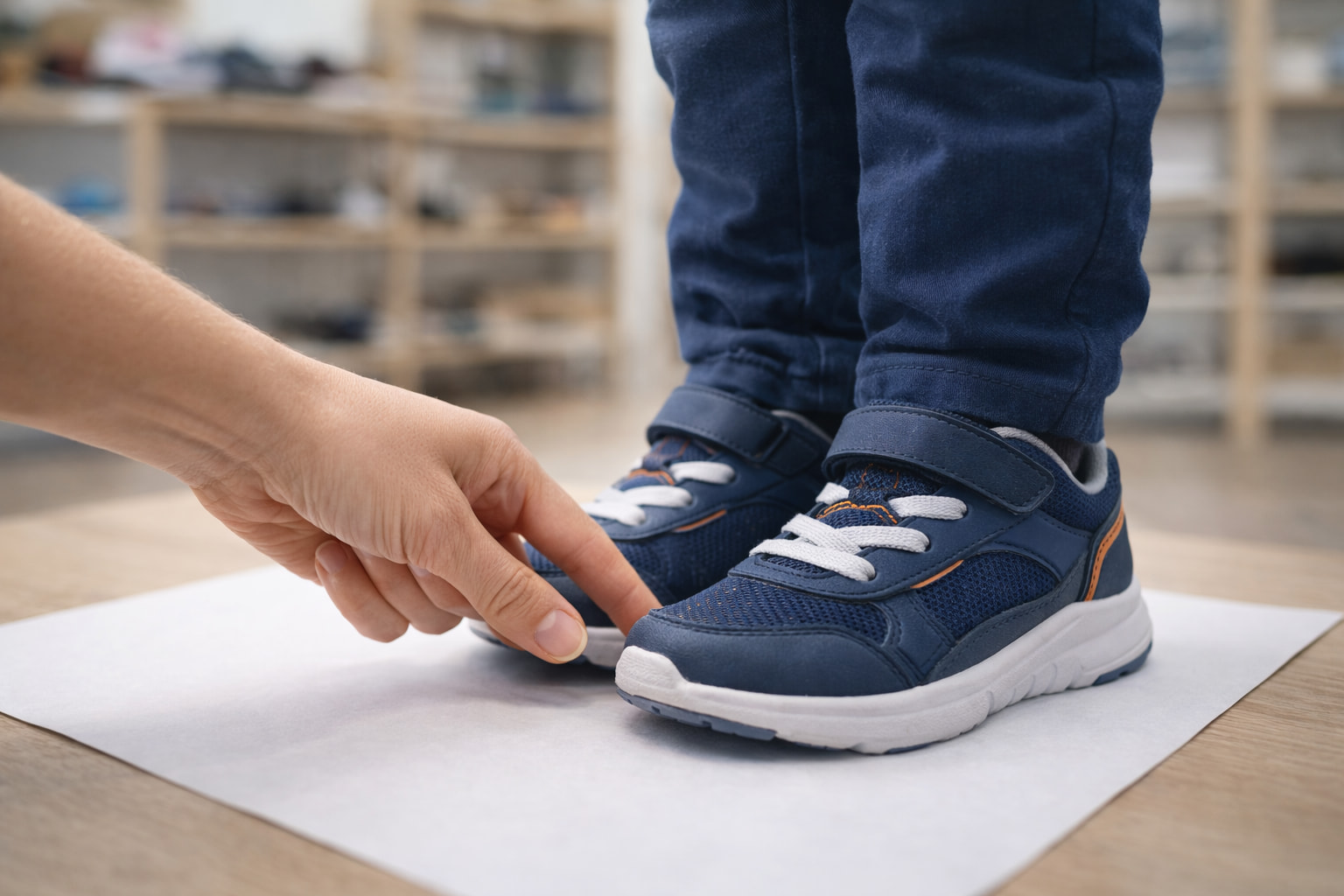
Good shoes that fit well and offer support can prevent pain, blisters, and infections. They protect developing joints. Studies of 2,300 children connect shoes to flat feet. Another study of 1,846 adults observed the same relationship in grown feet. Fit matters: hold the heel snug and leave about 1.25 cm of space at the toes when standing. Search for a supportive heel cup, light padding, flexing ball of foot, and straight last. Forget hand-me-downs. Worn tread and compressed insoles shift mechanics. In the case of a flat-footed child with pain or fatigue, a podiatrist might recommend orthotics such as longitudinal arch supports, scaphoid pads, or Thomas heels. While custom orthotics can assist, they require frequent examination as feet grow.
First Walkers
Early steps are feel and feedback. Proper footwear consists of soft, flexible shoes that bend at the forefoot, allowing the toes to grip, develop strength, and keep their natural barefoot gait as close as possible. Stiff soles can alter how toddlers plant the foot and shift balance.
Fit monthly. The heel should not slip, the upper should not press the small toes, and there should be 1.25 cm of toe room. Observe them standing and squatting to ensure the shoe does not impede movement.
-
Soft-sole moccasins with grippy leather or rubber dots on the bottom are for indoor wear.
-
Wide-toe-box knit booties with a thin rubber outsole for smooth floors.
-
Minimalist sneakers with split-flex grooves for outdoor paths.
-
Covered toe sandals with a flexible strap for those warm, dry days.
Everyday Shoes
Everyday pairs require a sealed heel, breathable mesh or leather, minimal arch support, and a forefoot that flexes at the toe knuckles. They aid balance and ease strain in children with flat feet.
Change shoes every 3 to 5 months or sooner if toes hit the front, the heel counter collapses, or the tread scuffs unevenly. Growth can come that fast.
Avoid too tight, too loose, or hard flat insoles. These increase the chances of blisters, nail problems, and overuse pain.
Do informal checks: press the front for space, tug the heel for slip, and ask about hot spots after play.
Sports Cleats
Sport-specific cleats enhance grip, reduce torque, and protect those little joints. Proper cleat placement.
Put away pairs with busted studs or canted heels. Improper cleats increase the risk of sprains, fractures, and overuse.
Schedule a pre-season fitting, evaluate game socks, and check toe space while standing!
Winter Boots
Remember the importance of good footwear. Opt for insulated, waterproof boots with ice-grip non-slip rubber soles. Warmth shouldn’t lock the ankle down. Kids still have to bend and push off.
Shoe must be big enough to accommodate thick socks without any pressure that chills toes or impedes circulation. Test toe room while standing.
Checklist:
-
Waterproof upper and sealed seams
-
Insulation rated for sub-zero Celsius
-
Non-slip outsole with deep lugs
-
Firm heel counter, flexible forefoot
-
Removable insole for drying
-
1.25 cm toe room with winter socks
Professional Pediatric Foot Care
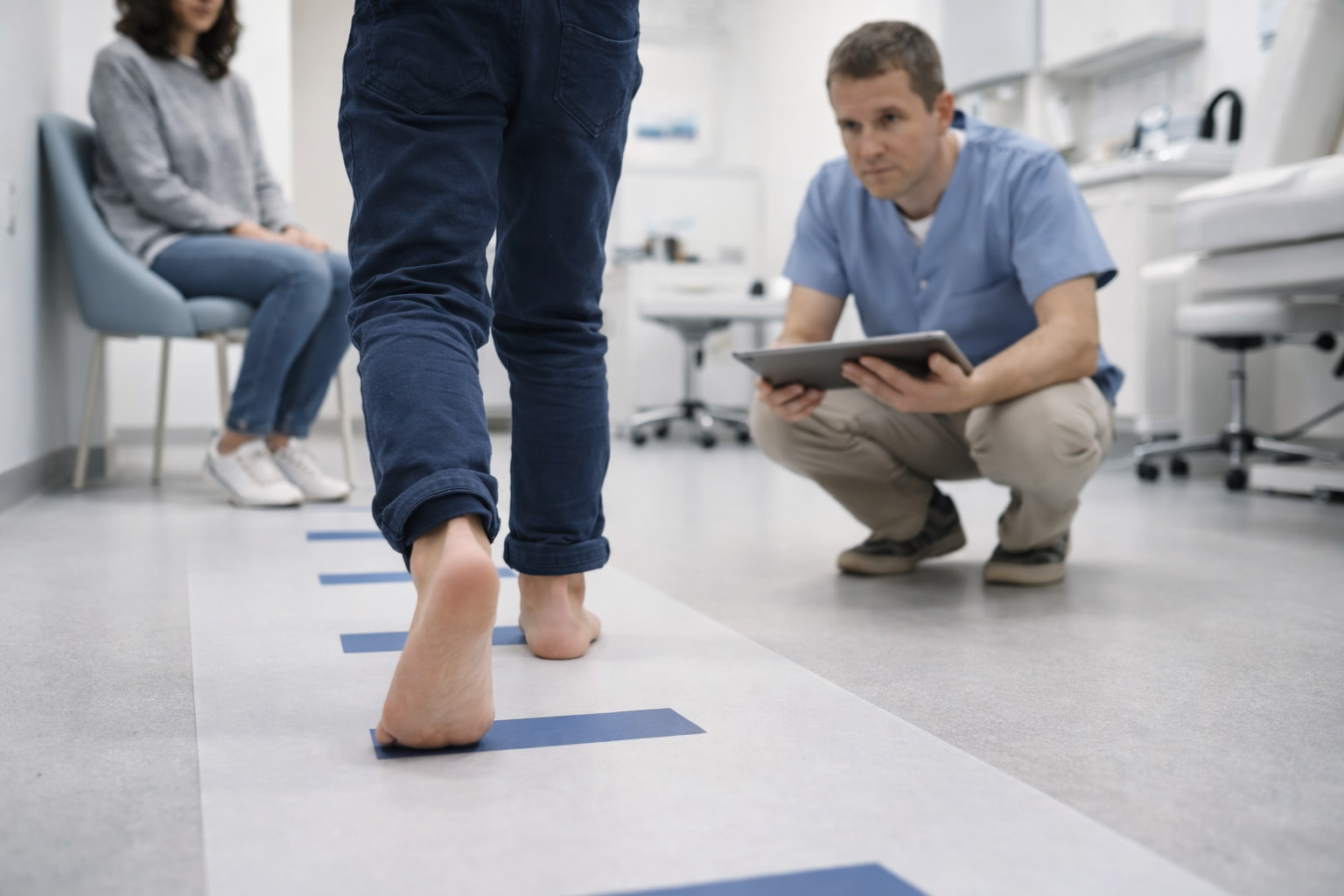
Professional pediatric foot care is about preventing, diagnosing, and treating children's feet and ankles. In Edmonton, a comprehensive evaluation and customized plan from a certified podiatrist or foot MD can identify issues early and direct healthy development. Checkups catch flat feet, toe walking, heel pain, and toe deformities before they limit sport, school, or play.
The Assessment
A professional pediatric foot evaluation examines your child’s medical history, stage of growth, shoes, and physical activity. The exam examines skin and nails, joint range, muscle strength, reflexes, and pain points. Gait analysis considers factors like stride length, foot strike, and hip-knee-ankle alignment when you walk or run. Dynamic tests incorporate single-leg balance, heel raises, and squat patterns to observe the foot in action under load.
Clinics might leverage pressure mapping, 3D foot scans, ultrasound and motion video to identify structural abnormalities or biomechanical concerns, such as over-pronation or uneven limb length. These tools inform care decisions, including whether orthotics or braces are required.
Multidisciplinary teams might comprise physiotherapists, pediatricians, and orthopedic or prosthetic/orthotic technicians. In tricky cases, teamwork accelerates diagnosis and maintains continuity of care at home and in the classroom.
Bring a short list of concerns: pain location, time of day it shows, sports limits, shoe wear patterns, past injuries, and any family history of foot or ankle problems.
Treatment Options
Non-invasive care frequently begins with custom foot orthotics, night splints, ankle-foot braces, taping, and straightforward home drills such as calf stretches, foot doming, toe yoga, and balance tasks that integrate playtime. For overuse heel pain, rest cycles, ice, and graded loading assist. For toe walking, a combination of stretches, cueing, and serial casting may be utilized.
When deformities are extreme or pain is still present, surgical measures are explored. Examples include guided growth for angular deformities, tendon lengthening for contractures, or clubfoot surgery if conservative care fails.
Plans are customized to age, growth rate, athlete goals, and schedule. Specialized treatments can aid recovery, including laser therapy for pain reduction, massage therapy for soft tissue treatment, and pediatric musculoskeletal physiotherapy to restore strength and gait.
Preventative Advice
Build daily habits: wash and dry between toes, trim nails straight, stretch calves, and do brief foot strength work. Rotate airy shoes and measure fit every 3 to 4 months.
Schedule occasional check-ups and intervene early on warning signs such as limping, swelling, tripping, or night pain. Bad shoes or small traumas can become a full avalanche if left unaddressed.
Use a checklist: proper shoe length and width, firm heel counter, flexible forefoot, non-slip sole, sock rotation, safe play surfaces, and comfort breaks during long walks. Home care might fit kiddos with movement restrictions when educated and armed.
Opt for qualified providers and verify membership with organizations like the Canadian Podiatric Medical Association for up-to-date, evidence-based treatment. For continued education and support, team up with a trusted Edmonton Foot Clinic for routine check-ups and timely guidance.
Conclusion
Healthy feet lead to kids who can move, play, and grow with less pain. Early checks catch small problems quickly. Fast steps work best. Simple cues guide parents: watch gait, note pain, check shoe fit, and track skin or nail changes. Local life in Edmonton brings in real elements. Cold, ice, and long winters mold foot requirements. Warm, dry socks do wonders. Grippy boots reduce slips.
Good shoes do serious work. They have a spacious toe box, a robust heel, and a featherweight sole. Change sizes as children develop. Skip hand-me-downs if they are threadbare.
For care, begin near home. Your family doctor can screen. A podiatrist can provide a definitive course of action. For your peace of mind, book an exam today. Bring some well-worn shoes and a list of questions.
Frequently Asked Questions
What is normal foot development in children?
Most kids have flat feet until around 6 to 8 years. Arches come slowly. Intermittent in-toeing or out-toeing is typical. If pain, tripping, or uneven shoe wear develops, get a consultation. Routine checks monitor growth and alignment.
Which pediatric foot conditions are most common?
Typical problems are flat feet, in- and out-toeing, toe walking, heel pain (Sever’s disease), and warts. A lot clear up with growth. Ongoing pain, limping, or activity restrictions should be evaluated by a pediatric foot specialist.
How can Edmonton’s climate affect my child’s feet?
Cold, extended winters ratchet up boot time and reduce outdoor diversity. They can tighten calf muscles and affect arches. Supportive, well-fitted boots and indoor foot-strengthening activities are important. Dryness and sweat changes require breathable socks and regular checks.
What red flags mean my child should see a professional?
Be on the lookout for persistent pain, nighttime pain, swelling, stumbling, uneven shoe wear, limping, or one foot appearing different. Sudden changes post-injury also count. Early evaluation stops bigger issues and facilitates faster healing.
What footwear is best for growing feet?
Select shoes that are lightweight and have a flexible forefoot, a firm heel counter, and a supportive midsole. Give a thumb’s width of space up front. Go breathable. Change shoes when worn, tight, or after a growth spurt. For winter, choose insulated boots with strong traction.
When should my child see a pediatric foot specialist in Edmonton?
If pain persists for more than a week, impacts activity or keeps coming back, book a visit. Get assistance for toe walking after age 3, frequent ankle sprains or painful flat feet. Local specialists know activity and climate requirements.
Do custom orthotics help children?
They may assist with pain, overpronation, or biomechanics. Not all children require them. It is a professional exam that directs the selection. When used appropriately, orthotics reduce pain, improve alignment, and support active play. Frequent checkups make sure they are a good fit as children grow.
Not sure which treatment fits your needs? Discover our comprehensive podiatry services at the Edmonton foot clinic.
You may also find the following resources helpful for additional reference.