
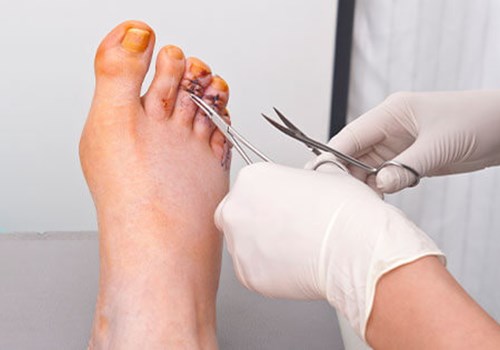
Foot Surgery and Procedures
Foot and ankle surgery is a sub-specialty of orthopedics and podiatry that deals with the treatment, diagnosis and prevention of disorders of the foot
Step Ahead Foot Surgery
Dr. Patel is a registered member of the College of Podiatric Physicians of Alberta. With surgical privileges at the Alberta Surgical Centre and a private certified surgical suite, almost all surgical procedures of the foot can be accomplished with minimal delay under local or full anesthesia.
In most cases, foot and ankle surgery can be performed on a same-day outpatient basis.
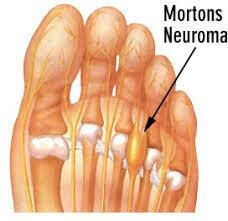
- Neuroma
- Exostectomy
- Cyst removal
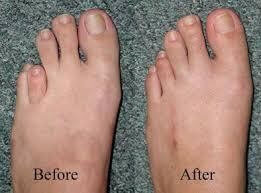
- Brachymetatarsia
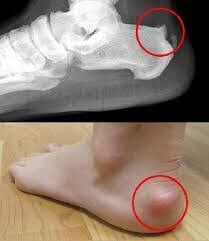
- Haglund’s deformity
- Stiff toe joint (hallux limitus/rigidus)
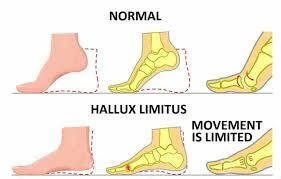
Arthrodesis
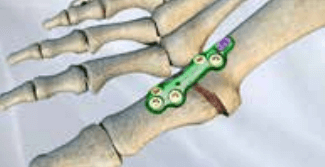
1st MTP Arthrodesis OPEN APPROACH
- 16 MTP fusion plate designs with compression slots
- 0, 5, 10 degree Dorsiflexion for Primary Fusions
- 2 plates for revision procedures - Revision and Revision Long
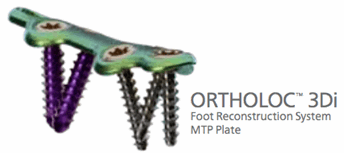
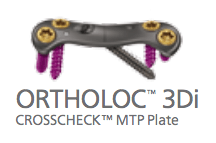 Alternative Solution:
- Type II anodized option for better material strength in fatigue
- Inter-fragmentary screw through the plate option
- 1.25mm profile offering dynamic, mechanical compression
Arthroplasty
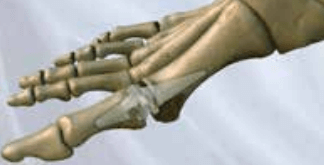
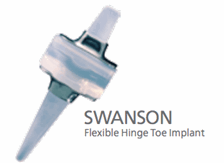 1st MTP Replacement OPEN APPROACH
- Flexible design made from inert, silicon elastomer with a long proximal and a shorter distal stem
- Implant is a dynamic spacer to preserve proper joint space and alignment while early motion is started
- Press-fit titanium grommets distribute load between the implant and poor bone quality
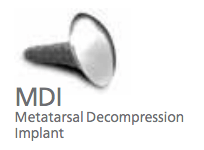 Alternative Solution:
- Oval shape matches the head anatomy and covers exposed bone and offers better distribution of forces
- Plasma spray titanium coated for osseointegration
- Instrumentation eliminates angular variables in metatarsal shaft by placing implant parallel to the long axis of the foot
Frequently Asked Questions About Foot Surgery
Some Of The Most Common Foot Surgery Questions
Do I Need Foot Surgery?
Whether you need foot surgery depends on the specific condition affecting your foot or ankle, the severity of your symptoms, and how much your daily life is impacted. Surgery is typically considered when conservative treatments such as custom orthotics, physical therapy, footwear modifications, medications, injections, or activity changes have not provided sufficient relief.
Common conditions that may require surgical treatment include bunions, hammertoes, arthritis, tendon injuries, fractures, ligament damage, plantar fasciitis that has not responded to treatment, and various deformities of the foot and ankle. Your surgeon will evaluate your symptoms, medical history, imaging studies, and overall health before recommending surgery.
The goal of foot surgery is usually to reduce pain, improve function, restore alignment, and help you return to normal activities with greater comfort and mobility.
What Would Happen If I Wait Six Months? One Year?
The effects of delaying surgery depend on your diagnosis. Some foot and ankle conditions remain relatively stable over time, while others may gradually worsen. In certain cases, waiting may lead to increased pain, reduced mobility, progression of deformity, joint damage, or a more complicated surgical procedure later on.
For example, a bunion may become larger and more painful over time, while untreated tendon injuries can sometimes lead to weakness or instability. Arthritis may continue to cause cartilage deterioration, and chronic deformities can place additional stress on surrounding joints and tissues.
However, not every condition requires immediate surgery. Your surgeon can help determine whether postponing treatment is safe and explain the potential risks and benefits of waiting based on your specific situation.
What Complications Can Occur With This Kind of Foot and Ankle Surgery?
Like any surgical procedure, foot and ankle surgery carries potential risks and complications. While most patients recover successfully, it is important to understand the possibilities before making a treatment decision.
Potential complications may include:
- Infection at the surgical site
- Excessive swelling or prolonged inflammation
- Delayed wound healing
- Nerve irritation or numbness
- Blood clots
- Excessive scar tissue formation
- Persistent pain or stiffness
- Failure of bones to heal properly
- Recurrence of the original deformity or condition
- Hardware irritation if screws, plates, or pins are used
Your surgeon will discuss the specific risks associated with your procedure and explain the steps taken to minimize complications before, during, and after surgery.
How Many of These Foot Surgeries Have You Done?
Experience matters when it comes to foot and ankle surgery. Patients should feel comfortable asking their surgeon about the number of procedures they have performed, their training, and their success rates with similar cases.
A surgeon who regularly performs the procedure you require is often familiar with a wide range of patient situations, potential complications, and advanced treatment techniques. During your consultation, ask about their experience with your specific condition and whether they have treated patients with similar symptoms and goals.
This conversation can help you feel more informed and confident about your treatment plan.
What Is the Expected Recovery Time for My Feet?
Recovery timelines vary significantly depending on the type of surgery performed, your overall health, and how closely postoperative instructions are followed.
Minor procedures may allow patients to return to normal activities within a few weeks, while more complex reconstructive surgeries may require several months of recovery. Swelling can often persist longer than expected, sometimes lasting several months even after you are walking comfortably.
In general, recovery may include:
- An initial healing period
- Gradual weight-bearing progression
- Physical therapy when necessary
- Return to regular footwear
- Ongoing strengthening and rehabilitation
Your surgeon can provide a more accurate timeline based on your specific procedure and recovery goals.
How Many Days Will I Be in the Hospital or Clinic After Surgery?
Many foot and ankle surgeries are performed on an outpatient basis, meaning patients return home the same day. These procedures are commonly completed in a surgical center or hospital without requiring an overnight stay.
More complex surgeries, extensive reconstructions, or procedures involving significant medical considerations may require an overnight hospital stay or longer observation period.
Your surgeon and care team will determine the appropriate discharge plan based on the type of surgery, anesthesia used, pain control needs, and your overall health.
Will I Have Physical Therapy? If So, How Often and For How Long?
Physical therapy is often an important part of recovery following foot and ankle surgery. The purpose is to restore strength, flexibility, balance, mobility, and proper walking mechanics.
Not every procedure requires formal physical therapy, but many patients benefit from a structured rehabilitation program. Depending on your surgery, therapy may begin several weeks after the procedure and continue for several weeks or months.
A typical therapy plan may include:
- Range-of-motion exercises
- Strengthening exercises
- Balance and stability training
- Gait retraining
- Swelling management techniques
Your surgeon will determine whether physical therapy is necessary and provide recommendations tailored to your recovery progress.
How Soon Will I Be Able to Walk After Surgery?
The timeline for walking depends on the procedure performed and the structures being treated. Some patients are allowed to bear weight immediately in a protective surgical shoe or walking boot, while others must remain non-weight-bearing for several weeks to allow proper healing.
Walking too early after certain procedures can compromise healing and affect long-term outcomes. Your surgeon will provide detailed instructions regarding:
- When weight-bearing is safe
- Whether you need a boot or cast
- How much pressure can be placed on the foot
- When normal walking can gradually resume
Following these guidelines carefully is essential for a successful recovery.
Will I Need Crutches or a Walker? If So, For How Long?
Many foot and ankle surgery patients require temporary mobility aids during recovery. Depending on the procedure, your surgeon may recommend:
- Crutches
- A walker
- A knee scooter
- A cane
- A walking boot
The length of time these devices are needed varies from patient to patient. Some individuals may only need support for a few days, while others may require several weeks of assistance while the surgical area heals.
Your surgeon will monitor your progress and advise when it is safe to transition away from mobility aids.
How Soon Will I Be Able to Climb Stairs After Surgery?
Most patients can navigate stairs shortly after surgery if necessary, although special precautions may be required. If you are non-weight-bearing, your surgeon or physical therapist will teach you safe techniques for going up and down stairs using crutches, a handrail, or other support devices.
For more extensive procedures, stair use may initially be limited to essential activities. The timeline for climbing stairs normally depends on your ability to bear weight safely and maintain balance without risking injury or compromising healing.
Always follow your surgeon's recommendations regarding stair use during recovery.
When Can I Shower After Surgery?
Showering restrictions depend on the type of dressing, cast, or surgical wound involved. In most cases, it is important to keep the incision area clean and dry during the early stages of healing.
Many patients are allowed to shower within a few days after surgery if they can adequately protect the surgical site from moisture. Others may need to wait until stitches are removed or the incision has healed sufficiently.
Your surgeon will provide specific instructions regarding:
- When showering is permitted
- How to protect dressings or casts
- Whether bathing or soaking should be avoided
- Signs of wound complications to watch for
Following these guidelines helps reduce the risk of infection and promotes proper healing.
How Soon Will I Be Able to Resume Normal Lifestyle Activities?
Returning to everyday activities depends on the nature of your surgery and your individual recovery process. Light activities may resume relatively quickly, while physically demanding tasks require additional healing time.
Examples of activities and typical considerations include:
- Office work may be possible within days or weeks.
- Driving may resume once you can safely control the vehicle and are no longer taking certain pain medications.
- Sports and recreational activities often require several months of recovery.
- Household tasks may need to be modified during early healing.
- High-impact activities typically require clearance from your surgeon before resuming.
Your recovery plan will be tailored to your lifestyle, occupation, and activity goals.
Are There Lifting Limits?
Yes. Many patients have temporary lifting restrictions following foot and ankle surgery, particularly during the initial healing period. Heavy lifting can increase pressure on the surgical site, worsen swelling, and potentially interfere with proper healing.
Your surgeon may recommend avoiding:
- Carrying heavy objects
- Lifting while using crutches
- Activities that place excessive strain on the healing foot or ankle
Restrictions are usually adjusted as healing progresses and weight-bearing limitations are lifted.
What Are the Potential Risks of This Surgery?
Every surgical procedure carries some degree of risk, even when performed by experienced specialists. Understanding these risks allows patients to make informed treatment decisions.
Potential risks may include:
- Infection
- Bleeding
- Blood clots
- Nerve injury
- Persistent pain
- Swelling
- Stiffness
- Delayed healing
- Poor wound healing
- Scar sensitivity
- Bone healing complications
- Hardware-related irritation
- Need for additional surgery
- Recurrence of the original condition
What foot conditions require surgical procedures?
Foot surgery is typically required for conditions that do not respond to conservative treatments or significantly impact mobility and quality of life. Common conditions include severe bunions, hammertoes, chronic plantar fasciitis, tendon tears, neuromas, fractures, and advanced arthritis. Structural deformities that worsen over time or cause persistent pain often require surgical correction. In many cases, surgery is considered only after treatments like orthotics, therapy, and medication have failed to provide relief, ensuring it is truly necessary.
How is foot surgery different from non-surgical treatment?
Foot surgery directly corrects structural problems within the bones, joints, or soft tissues, while non-surgical treatments focus on managing symptoms and improving function. Non-invasive methods like orthotics, physical therapy, and medications aim to relieve pain and prevent progression. Surgery, on the other hand, addresses the root anatomical issue, such as realigning bones or repairing damaged tendons. It is generally recommended when conservative options no longer provide sufficient relief or when the condition continues to worsen.
What are the most common foot surgery procedures performed?
Common foot surgery procedures include bunion correction (bunionectomy), hammertoe repair, plantar fascia release, neuroma removal, tendon repair, and ingrown toenail surgery. Some procedures focus on soft tissue, while others involve bone realignment or joint stabilization. Many of these surgeries are performed on an outpatient basis, allowing patients to return home the same day. The specific procedure depends on the diagnosis and severity of the condition being treated.
How long is recovery after foot surgery procedures?
Recovery time varies depending on the type and complexity of the procedure. Minor soft-tissue surgeries may heal within 2–4 weeks, while more complex procedures like bunion correction or tendon repair can take several months. Most patients can begin limited walking within a few weeks, but full recovery and return to normal activity may take 3–6 months. Following post-operative instructions closely plays a key role in achieving a smooth and timely recovery.
What anesthesia is used during foot surgery?
Foot surgery is commonly performed using local or regional anesthesia combined with sedation, which numbs the foot while keeping the patient relaxed. This method allows for quicker recovery and fewer side effects compared to general anesthesia. In more complex or lengthy procedures, general anesthesia may be used. The choice depends on the type of surgery, patient health, and surgeon recommendation, ensuring safety and comfort throughout the procedure.
Can foot surgery permanently correct deformities?
Yes, foot surgery can permanently correct many structural deformities when performed appropriately. Procedures such as bunion correction, tendon repair, or joint realignment are designed to restore proper anatomy and function. However, long-term success depends on factors like patient health, adherence to recovery protocols, and wearing proper footwear or orthotics afterward. While surgery addresses the root cause, ongoing care may still be needed to maintain results and prevent recurrence.
What is minimally invasive foot surgery?
Minimally invasive foot surgery uses small incisions and specialized instruments to correct foot conditions with less disruption to surrounding tissues. Compared to traditional open surgery, it typically results in reduced pain, smaller scars, and faster recovery times. Patients may experience less swelling and return to normal activities sooner. However, not all conditions are suitable for this approach, and a podiatrist will determine whether it is the best option based on the diagnosis.
How do podiatrists decide if surgery is necessary?
Podiatrists determine the need for surgery based on a thorough evaluation that includes medical history, physical examination, imaging, and response to previous treatments. Surgery is usually recommended when conservative methods fail to relieve symptoms or when the condition is progressively worsening. Factors such as pain severity, functional limitations, and structural damage are carefully considered to ensure surgery is the most appropriate and beneficial option.
What complications can occur after foot surgery?
Although foot surgery is generally safe, potential complications can include infection, delayed healing, nerve irritation, blood clots, and recurrence of the condition. Some patients may also experience swelling or stiffness during recovery. These risks are minimized through proper surgical techniques, careful patient selection, and adherence to post-operative care instructions. Early detection and follow-up care help address any complications quickly and effectively.
Can I walk immediately after foot surgery?
Whether you can walk immediately after foot surgery depends on the type of procedure performed. Some minor surgeries allow limited weight-bearing within a few days using protective footwear, while more complex procedures may require crutches or complete rest for several weeks. In many cases, patients can begin gradual walking during recovery under guidance. Following your podiatrist’s instructions is essential to avoid complications and ensure proper healing.
Your surgeon will review the risks most relevant to your procedure, discuss strategies to reduce those risks, and answer any concerns you may have before surgery. The vast majority of patients recover successfully when they follow postoperative instructions and attend scheduled follow-up appointments.
Unfortunately there is no one shoe fits all solution, and to properly answer your question we require a consultation to assess your particular challenge. There are various factors that come into consideration when discussing surgery possibilities, such as trauma to your particular feet, age, health, and progression/stage of your ailment, these all come into play when determining the best course of action. If you have any or other question please contact us for more information. Our team of foot care specialists are here to help answer any and all of your questions, call us today!
Additional Resources
Step Ahead Podiatry Is Committed To Helping You Gain The Freedom To Walk Pain Free Again...
Not finding what you're looking for? Here are some of our most searched for podiatry services.
Additional Resources:
Foot Related Resources: