Cryosurgery for Platar Warts or Plantar Wart Treatments
During 5- 30 seconds, depending on the depth of the lesion, the Cryosurgery sprays a very cold yet precise flow of nitrous oxide directly to the wart. The freezing power of the Cryosurgery using CryoProbe penetrates fast and to the bottom of the lesion. that results in effective treatment with only very little discomfort. Especially with (plantar) warts the success of this treatment is unmatched.
After treatment there might be a little residual stinging for a few minutes. Occasionally a blister might form and persist for a few hours. There are no restrictions on bathing or swimming.
When Should You Seek Treatment for a Plantar Wart?
While some plantar warts may eventually resolve on their own, many persist for months or even years without effective treatment. Seeking professional care is often recommended when a wart becomes painful, interferes with daily activities, or continues to grow despite home treatment efforts. Because plantar warts develop on weight-bearing areas of the foot, they can cause discomfort when walking, standing, exercising, or wearing certain types of footwear.
Professional evaluation may also be necessary if you have multiple warts, notice new lesions developing, or find that the wart is spreading to other areas of the foot. Over-the-counter treatments are not always successful, particularly for larger, deeper, or long-standing plantar warts. If home remedies have failed to improve the condition, advanced treatment options may provide more effective results.
Individuals with diabetes, poor circulation, or other medical conditions affecting foot health should seek treatment promptly if they suspect a plantar wart. Because these conditions can affect healing and increase the risk of complications, professional diagnosis and treatment are especially important. Early intervention can help relieve discomfort, prevent the wart from spreading, and improve treatment outcomes.
Why Choose Edmonton Foot Clinic for Plantar Wart Treatment?
At Edmonton Foot Clinic, we provide comprehensive diagnosis and treatment for plantar warts using advanced techniques designed to maximize effectiveness while minimizing discomfort. Every patient receives an individualized assessment to determine the size, depth, and severity of the lesion, allowing us to recommend the most appropriate treatment approach for their specific needs.
Our clinic utilizes advanced CryoProbe technology, which delivers a precise application of nitrous oxide directly to the wart. This targeted approach allows for effective treatment of the affected tissue while limiting impact on the surrounding healthy skin. Cryosurgery is often an excellent option for patients seeking a minimally invasive treatment with little disruption to their daily routine.
Not finding what you're looking for? Here are some of our most searched for podiatry services.
Additional Resources:
Step Ahead Podiatry Is Committed To Helping You Gain The Freedom To Walk Pain Free Again...
What is cryosurgery for plantar warts?
Cryosurgery (or cryotherapy) for plantar warts is a medical treatment that removes warts by freezing them with extremely cold substances, usually liquid nitrogen. The podiatrist applies the freezing agent directly to the wart, causing the infected tissue to freeze, blister, and eventually die. As the body heals, the dead tissue naturally sheds, allowing new healthy skin to form. This treatment is commonly used when over-the-counter options fail and is effective for stubborn plantar warts caused by the human papillomavirus (HPV). It is typically performed in a clinic for safety and precision.
How does freezing treatment remove foot warts?
Freezing treatment removes foot warts by destroying the infected skin cells using extreme cold temperatures. When liquid nitrogen is applied, it rapidly freezes the wart tissue, forming ice crystals inside the cells. This process damages the cells and cuts off their blood supply. After treatment, the body reacts by forming a blister underneath the wart, which helps separate it from healthy skin. Over time, the blistered tissue dries out and falls off, while the immune system may also be stimulated to attack remaining viral infection.
Is wart cryotherapy painful?
Cryotherapy can cause some discomfort during and after treatment, but pain levels vary from person to person. During the procedure, patients often feel a strong cold sensation, followed by stinging, burning, or pressure as the tissue freezes. After treatment, the area may become sore or tender, especially if a blister forms. This discomfort usually lasts a few days and can be managed with basic pain relief and proper care. Although not painless, most patients tolerate it well because the procedure is quick and effective.
How many sessions are needed for wart removal?
The number of cryotherapy sessions needed depends on the size, depth, and resistance of the wart. Many patients require multiple treatments, often spaced 2–3 weeks apart. Smaller warts may clear in 1–3 sessions, while stubborn plantar warts can take 4–6 sessions or more. The immune response also plays a role, as some warts are more resistant due to deeper viral infection. Consistent follow-up with a podiatrist increases the chances of complete removal and reduces the risk of recurrence.
Can plantar warts spread if left untreated?
Yes, plantar warts can spread if left untreated because they are caused by the human papillomavirus (HPV), which can transfer through direct contact or contaminated surfaces. The virus can spread to nearby areas of the same foot or even to other people in shared environments like showers or pool areas. Additionally, scratching or picking at the wart increases the risk of spreading it further. Early treatment helps prevent multiplication and reduces discomfort caused by pressure while walking.
Are foot warts contagious?
Yes, foot warts are contagious because they are caused by HPV, a virus that can spread through skin-to-skin contact or indirectly through shared surfaces. Environments like public showers, locker rooms, and swimming pool areas are common places where transmission occurs. However, not everyone exposed to the virus will develop warts, as skin condition and immune response play a role. Keeping feet clean, dry, and protected in public areas helps reduce the risk of infection.
What causes warts on the feet?
Warts on the feet are caused by infection with the human papillomavirus (HPV), which enters the skin through tiny cuts, cracks, or weak spots on the soles. Once inside, the virus triggers rapid growth of skin cells, forming a rough, thickened wart. Factors like walking barefoot in public places, excessive sweating, or minor foot injuries increase the risk. People with weakened immune systems or frequent exposure to communal surfaces are more likely to develop plantar warts.
How do podiatrists diagnose plantar warts?
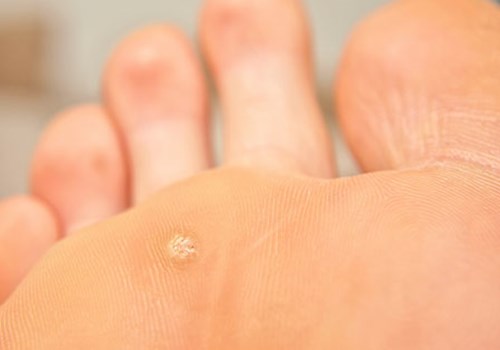
Podiatrists diagnose plantar warts through a physical examination of the foot, looking for characteristic signs such as rough, grainy skin and small black dots (clotted blood vessels). They may gently pare down the surface to better identify the wart structure. In some cases, if the diagnosis is unclear, a small skin sample may be taken for laboratory testing. This helps differentiate warts from other conditions like corns or calluses, which can look similar but require different treatments.
Can warts return after cryosurgery?
Yes, warts can return after cryosurgery because the underlying HPV virus may still be present in the skin even after visible removal. If the immune system does not fully eliminate the virus or if reinfection occurs, new warts can develop in the same or nearby area. Recurrence risk is higher in individuals with weakened immunity or repeated exposure to contaminated environments. Proper aftercare and preventive hygiene significantly reduce the chances of recurrence after treatment.
Is cryotherapy safe for children?
Yes, cryotherapy is generally safe for children when performed by a trained healthcare professional. However, it may cause temporary discomfort, so its use depends on the child’s pain tolerance and the severity of the wart. In some cases, milder treatments may be considered first. The procedure is quick and typically well-tolerated, but children may need reassurance during treatment. Safety and effectiveness are high, especially when used appropriately for persistent or painful warts that do not respond to home care.